رئيس مجلس الإدارة
سعيد اسماعيل
رئيس التحرير
مروة أبو زاهر

رئيس مجلس الإدارة
سعيد اسماعيل

رئيس التحرير
مروة أبو زاهر

Governor of the Central Bank of Egypt and Minister of Foreign Affairs, Emigration, and Egyptian

As part of the Egyptian government’s vision to address the needs of Egyptians working abroad and streamline the services provided to them, the Central Bank of Egypt (CBE) and the Ministry of Foreign Affairs, Emigration, and Egyptian Expatriates have launched the “Open Your Account in Egypt” initiative, in collaboration with the National Bank of Egypt (NBE) and Banque Misr.


 the Central Bank of Egypt


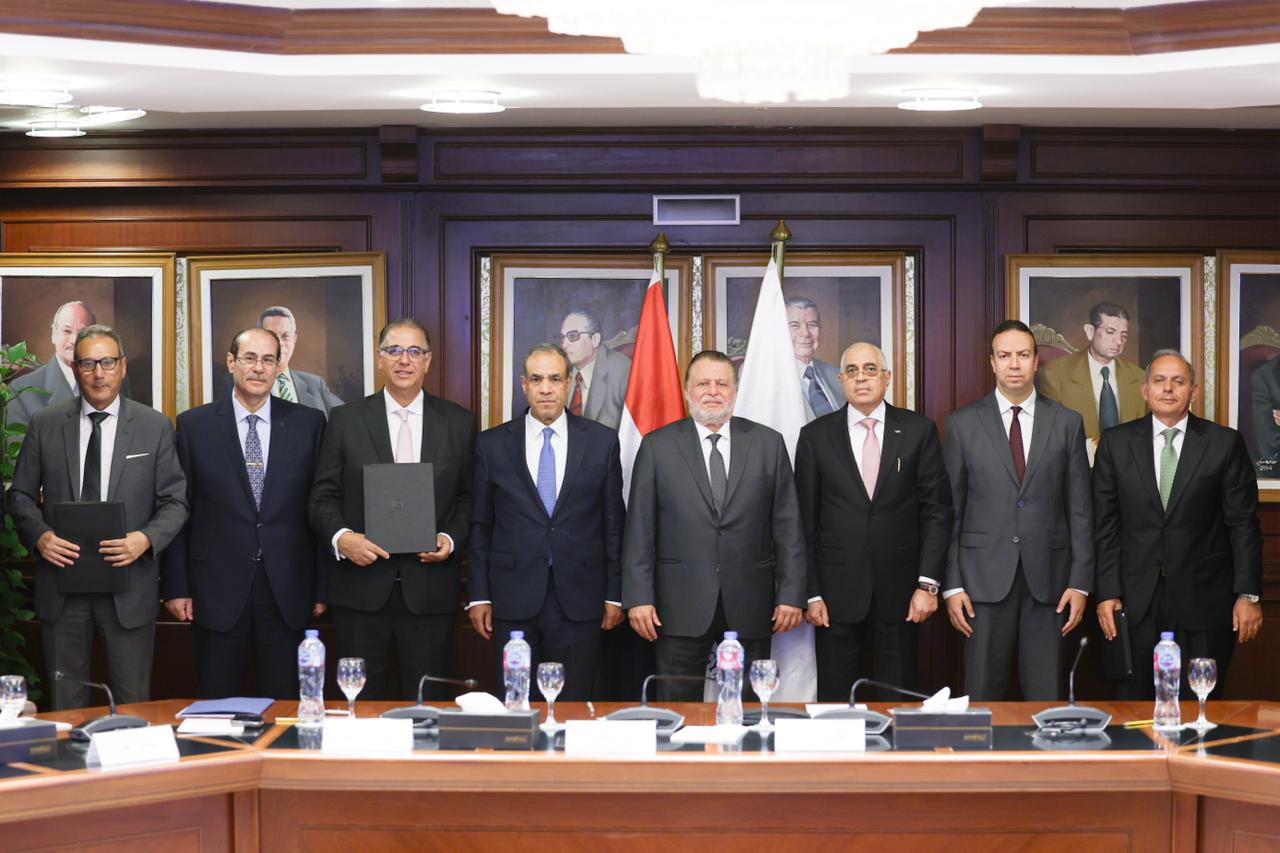
H.E. Mr. Hassan Abdalla, Governor of the CBE, and Dr. Badr Abdelatty, Minister of Foreign Affairs, Emigration, and Egyptian Expatriates, witnessed the signing ceremony of the joint cooperation protocol to implement the initiative, which took place today at the premises of the CBE.


The ceremony was attended by Counselor Ahmed Saeed Khalil, Chairman of the Board of Trustees of the Egyptian Money Laundering and Terrorist Financing Combating Unit (EMLCU); Mr. Rami Aboulnaga, Deputy Governor of the CBE for Monetary Stability; Mr. Tarek ElKholy, Deputy Governor of the CBE for Banking Stability; Mr. Mohamed Aboumoussa, Assistant Governor for the CBE; and Mr. Amr Farouk, Head of the Technical Office at EMLCU.


The protocol was signed by Ambassador Nabil Habashi, Deputy Minister of Foreign Affairs, Emigration, and Egyptian Expatriates; Mr. Mohamed El-Etreby, Chief Executive Officer of NBE; and Mr. Hisham Okasha, Chief Executive Officer of Banque Misr, with the presence of numerous senior officials from the CBE, the Ministry of Foreign Affairs, the National bank of Egypt, and Banque Misr.


Under this initiative, Egyptians working abroad can open a bank account with NBE or Banque Misr by visiting the premises of the nearest Egyptian diplomatic mission or consulate to complete and sign the account opening form. The embassies or consulates will verify these forms, which will then be re-verified at the Ministry of Foreign Affairs in Egypt before being sent to Banque Misr and NBE for account processing.


On this occasion, H.E. Mr. Hassan Abdalla, Governor of the CBE, stated that the initiative plays a vital role in incentivizing inbound remittances to national banks, encouraging Egyptians working abroad to invest their savings in Egyptian saving instruments, and providing them with seamless banking services.


Additionally, Mr. Abdalla commended the pivotal role of the banking sector in supporting the national economy and its strides in transforming this initiative into a practical solution that meets the aspirations of many Egyptian expatriates—particularly by streamlining banking transactions with Egyptian banks and minimizing fund transfer costs to the country.


Furthermore, Mr. Abdalla pointed out that the banking sector remains committed to coordinating with the Ministry of Foreign Affairs and all relevant authorities to launch additional initiatives aimed at serving Egyptians abroad. These include availing instant transfer of inbound remittances to customers’ bank accounts in Egypt at any time, as well as advancing the digitalization of banking services to benefit all customers of the banking sector, both domestically and internationally.


From his side, Dr. Badr Abdelatty, Minister of Foreign Affairs, Emigration, and Egyptian Expatriates affirmed that the initiative aligns with the ongoing efforts to implement presidential directives aimed at providing comprehensive support and care to Egyptian expatriates.

He also emphasized that this initiative complements a range of other programs led by the Ministry in collaboration with various government entities, including initiatives focused on housing, agricultural lands, investment promotion, and insurance coverage. Moreover, the Ministry continues to digitalize and streamline consular services, as well as strengthening communication with Egyptians working abroad, regardless of their location.


Dr. Abdelatty urged Egyptians abroad to capitalize on these initiatives, which form part of the incentives offered by the State, in a manner that serves national interests, benefits citizens, and increases inbound remittances, thereby driving the national economy’s growth and reinforcing their contribution to Egypt’s ongoing development efforts.

Governor of the Central Bank of Egypt Attends the 49th Annual Meeting of the Council of Arab Central Banks and Monetary Authorities’ Governors in Tunisia

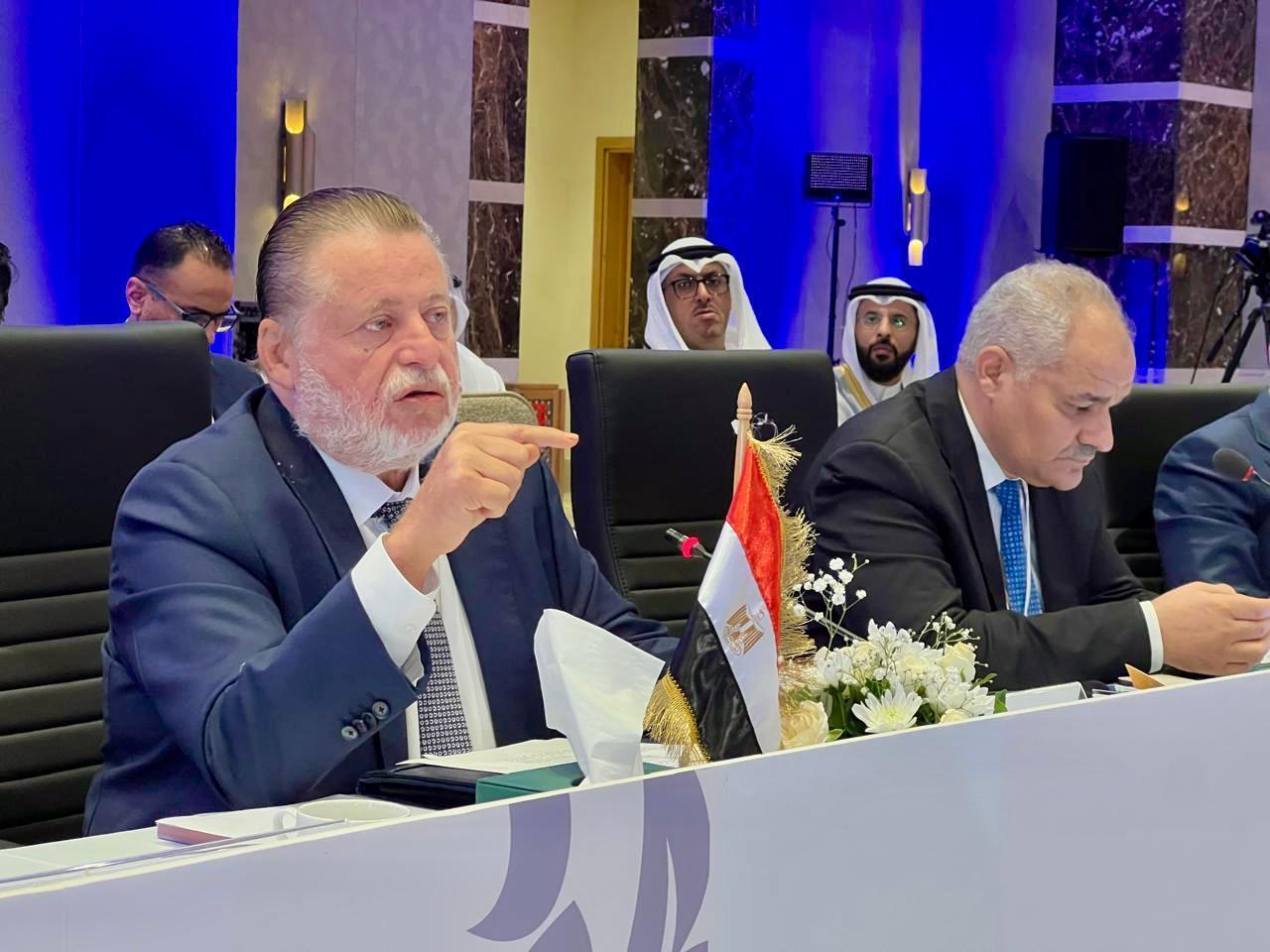
H.E. Mr. Hassan Abdalla, Governor of the Central Bank of Egypt (CBE), is participating on Wednesday in the 49th Annual Meeting of the Council of Arab Central Banks and Monetary Authorities’ Governors, hosted by the Republic of Tunisia. The event is attended by Governors of Arab central banks, along with a number of distinguished representatives from regional and international financial institutions.


the Central Bank of Egypt


In this regard, Mr. Abdalla stated, “I am honored to participate in the current session of the Council of Arab Central Banks and Monetary Authorities’ Governors, which serves as an annual platform for regional dialogue and cooperation on economic and monetary trends, as well as for advancing economic development across our Arab region.


This year’s session comes at a critical time, in light of the successive challenges confronting the global economy, particularly those arising from trade wars.” He further emphasized that these conflicts create multifaceted pressures that demand precise and timely responses from central banks.

Furthermore, Mr. Abdalla underscored that encouraging increased domestic production and strengthening productive capacities are two core pillars in containing inflationary pressures and achieving long-term economic stability. He also affirmed the commitment of central banks to advancing their tools and approaches in line with the evolving global economic landscape, ensuring price stability while supporting the resilience and adaptability of the economy in the face of future challenges.


Additionally, central banks remain focused on enhancing transparency by clearly explaining the fundamental drivers and basis of monetary policy decisions, thereby boosting credibility and reinforcing the effectiveness of such policies.

The ongoing session, chaired by the Governor of the Central Bank of Sudan, addresses several key topics, including the challenges central banks face in managing shocks and pressures resulting from trade wars, frameworks to strengthen cybersecurity and resilience of the financial sector.


The session will also track progress on the Comprehensive Instant Digital Payments Initiative in Arab Countries.

Moreover, the session involves reviewing and adopting the outcomes from technical committees, where representatives from Arab central banks take part.


These committees specialize in banking supervision, financial inclusion, green financing, credit reporting, financial stability, payment and settlement systems, and FinTech.

Additionally, a closed session is scheduled to discuss preparations for the launch of the third round of mutual evaluations and the challenges facing the Middle East and North Africa Financial Action Task Force (MENAFATF), focused on anti-money laundering and countering the financing of terrorism (AML/CFT).


On a related note, the CBE hosted the 48th Annual Meeting of the Council of Arab Central Banks and Monetary Authorities’ Governors last year under the auspices of H.E.

President Abdel Fattah El-Sisi. Mr. Abdalla, Governor of the CBE, recently participated in the Permanent Bureau of the Board of Governors of Arab Central Banks meeting held in Abu Dhabi in July 2025.

CBE Governor Hosts Nigerian Counterpart and Tours Banknote Printing House

Strengthening African Cooperation

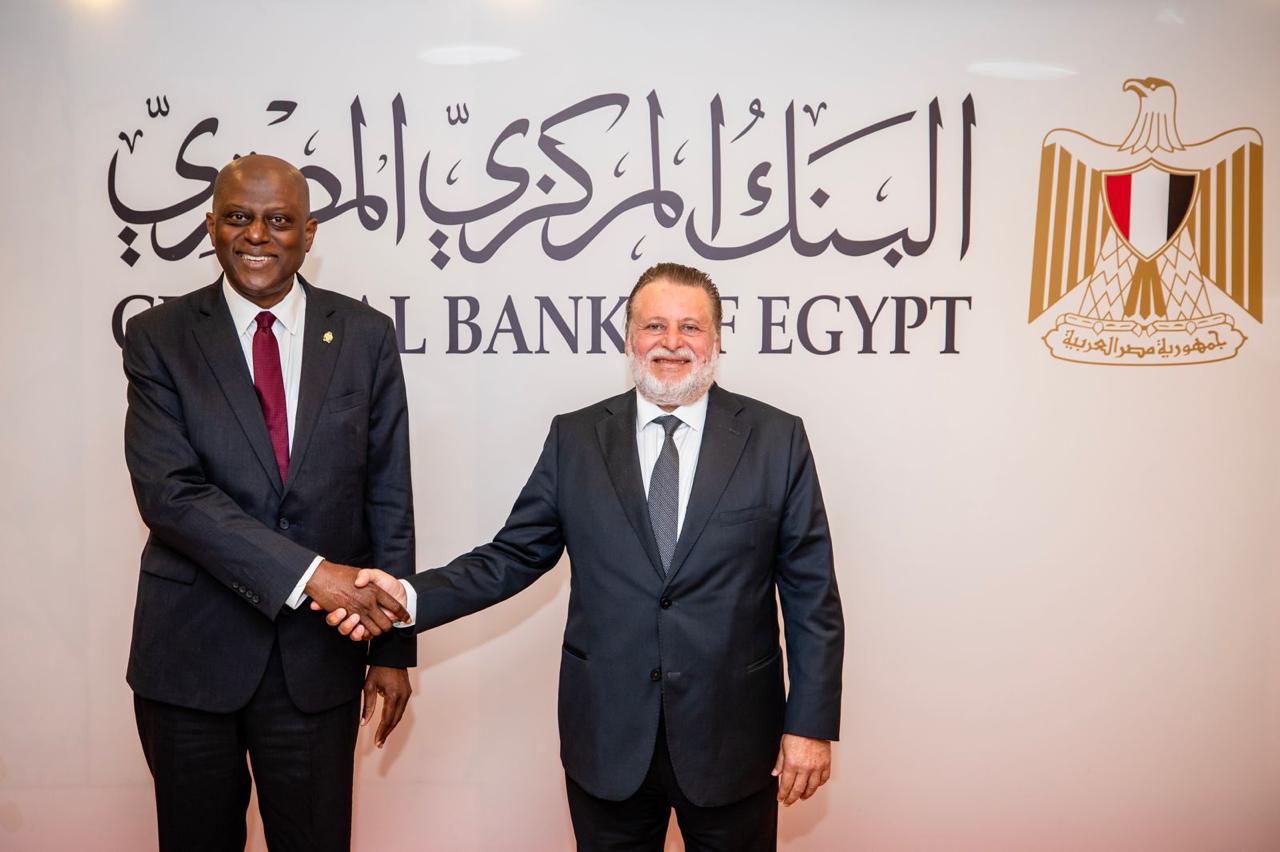
In alignment with Egypt’s commitment to deepening African partnerships, H.E. Mr. Hassan Abdalla,

Governor of the Central Bank of Egypt (CBE), welcomed H.E. Mr. Olayemi Cardoso, Governor of

the Central Bank of Nigeria (CBN), for high-level talks focused on enhancing bilateral collaboration.

CBE

Visit to the New Administrative Capital Printing House

Following the meeting, Mr. Abdalla escorted Mr. Cardoso on a tour of the state-of-the-art Banknote

Printing House in the New Administrative Capital.

The delegation reviewed the full banknote production process from design to delivery while

exploring the facility’s production capabilities, cutting-edge technology, and advanced

anti-counterfeiting systems.

Technical Exchange and Capacity Building

The visit featured a comprehensive exchange of expertise between the two banks in

areas including monetary policy, supervision, Basel frameworks, cybersecurity, data analytics, and FinTech.

The Nigerian delegation also visited the Egyptian Banking Institute (EBI) to explore its role in

developing banking sector talent.

Shared Vision for Regional Progress

CBE Governor emphasized Egypt’s strategic focus on African integration and expressed

appreciation for Nigeria’s warm hospitality during the recent Afreximbank meetings.

He reaffirmed Egypt’s readiness to share its successful banking and regulatory experiences.

Nigeria Praises Egyptian Expertise

Mr. Cardoso highlighted the importance of the visit for boosting financial cooperation and

praised the high-tech capabilities and security measures of Egypt’s printing house.

He also expressed interest in adopting best practices from Egypt’s financial sector.

Continued Engagement

The visit follows CBE Governor recent trip to Nigeria during the 32nd Annual Meetings

of Afreximbank, reinforcing ongoing collaboration between the two central banks

and supporting regional financial development.

CBE

Governor of the Central Bank of Egypt Signs Memorandum of Understanding with Chinese Counterpart to Promote Mutual Cooperation

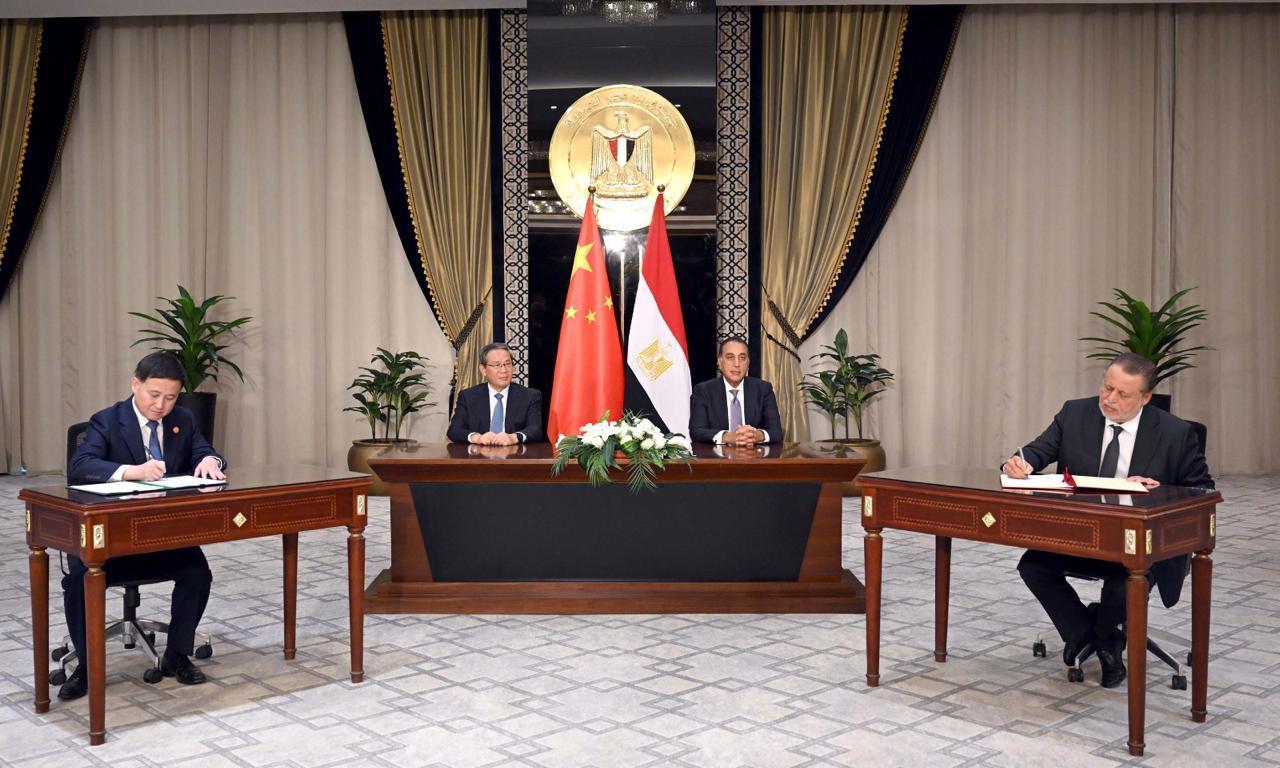
, Governor of the Central Bank of Egypt (CBE), signed a Memorandum of Understanding (MoU) with H.E. Mr. Pan Gongsheng, Governor of the People’s Bank of China (PBOC), at the Egyptian Cabinet to boost joint collaboration across various areas of mutual interest. The signing ceremony was witnessed by H.E. Dr. Mostafa Madbouly, Prime Minister of Egypt, and H.E. Mr. Li Qiang, Premier of the State Council of the People’s Republic of China, alongside senior officials from both countries.


the Central Bank of Egypt

The MoU includes a cooperation framework through the exchange of information and professional expertise, as well as the training and development of staff at both central banks. The areas of cooperation encompass monetary policy, financial markets, electronic payment systems and services, financial and supervisory technologies, in addition to banknote issuance.


The MoU aims to promote the use of local currency settlements for cross-border financial and trade transactions, while facilitating direct investments between both sides to foster economic integration. It also includes provisions to strengthen cooperation on Central Bank Digital Currencies (CBDC). Additionally, it supports financial innovation using modern technology through conducting joint research and studies, as well as exchanging technical information and expertise.


In this regard, H.E. Mr. Hassan Abdalla, Governor of the CBE, affirmed that “this MoU reflects the evolution of the historic ties between Egypt and China. It demonstrates both institutions’ commitment to strengthening partnerships between their respective financial institutions in light of global economic developments.” He also expressed his optimism regarding “this step, which is expected to elevate economic cooperation to more advanced and effective levels.”


For his part, Mr. Pan Gongsheng, Governor of the PBOC, stated that “the signing of this MoU marks a pivotal step in advancing economic relations between Egypt and China,” emphasizing that “this agreement will facilitate the sharing of best practices and regulatory coordination in both jurisdictions, creating an enabling environment to unlock greater potential of bilateral financial cooperation.”

Governor of the Central Bank of Egypt Hosts a Delegation from the European Bank for Reconstruction 

H.E. Mr. Hassan Abdalla, Governor of the Central Bank of Egypt (CBE), welcomed a delegation from the European Bank for Reconstruction and Development (EBRD) on Wednesday, 9 July, 2025, at the premises of the CBE, to discuss avenues of strengthening mutual collaboration.

the Central Bank of Egypt

The delegation included Mr. Mark Davis – EBRD Managing Director for the Southern and Eastern Mediterranean (SEMED) region; Mr. Mike Taylor – Director of Financial Institutions for SEMED; Mr. Hashem Abd El Hakim – EBRD Deputy Head and Head of Financial Institutions for Egypt; and Ms. Dominique Naggar – Principal Banker for Financial Institutions.


The meeting commenced with a welcome for EBRD’s new Managing Director for the SEMED, Mr. Mark Davis, followed by a review of existing cooperation frameworks between the CBE, the banking sector, and the EBRD across various fields.

The discussions prioritized advancing these partnerships, with particular focus on amplifying support for Micro, Small, and Medium-sized Enterprises (MSMEs) – recognized as the fundamental pillars for promoting financial inclusion among all segments of society and driving economic development and sustainable growth. The EBRD delegation commended Egypt’s recent economic reforms, highlighting their positive impact on key economic indicators.


Central Bank of Egypt Issues Directive to Support Exporters’ Environmental Compliance

Promoting Sustainable Finance

The Central Bank of Egypt (CBE) has issued a new directive to local banks, urging them to support their

exporting clients in aligning with international sustainability standards, particularly in the production stages

of their goods.

This initiative is part of CBE’s broader efforts to advance sustainable finance and combat climate change.

Complying with Global Carbon Standards

The directive highlights the importance of adhering to the Carbon Border Adjustment Mechanism (CBAM), ensuring

that carbon emissions during production are in line with thresholds set by the European Union and the United Kingdom.

This alignment is crucial to facilitate uninterrupted market access for Egyptian exports.

Strengthening Financial Stability

As part of the new measures, banks are required to submit lists of their exporting clients to the CBE.

This move serves as a proactive step to enhance the resilience of

the banking sector and mitigate risks related to international carbon border policies.

Empowering Green Exports

This directive is expected to support the transition of exporting businesses toward

producing environmentally compliant goods, boosting Egypt’s competitiveness in

international markets and supporting the country’s sustainable development goals.

A Strategic Step for Export Growth

By aligning with international environmental requirements, Egyptian exporters will be

better positioned to expand into global markets, contributing to national efforts to

increase exports and foster inclusive economic growth.

Central Bank of Egypt Hosts Regional Training on Micro and Macro Stress Testing for COMESA Central Banks

CBE Leads African Integration with Stress Testing Training

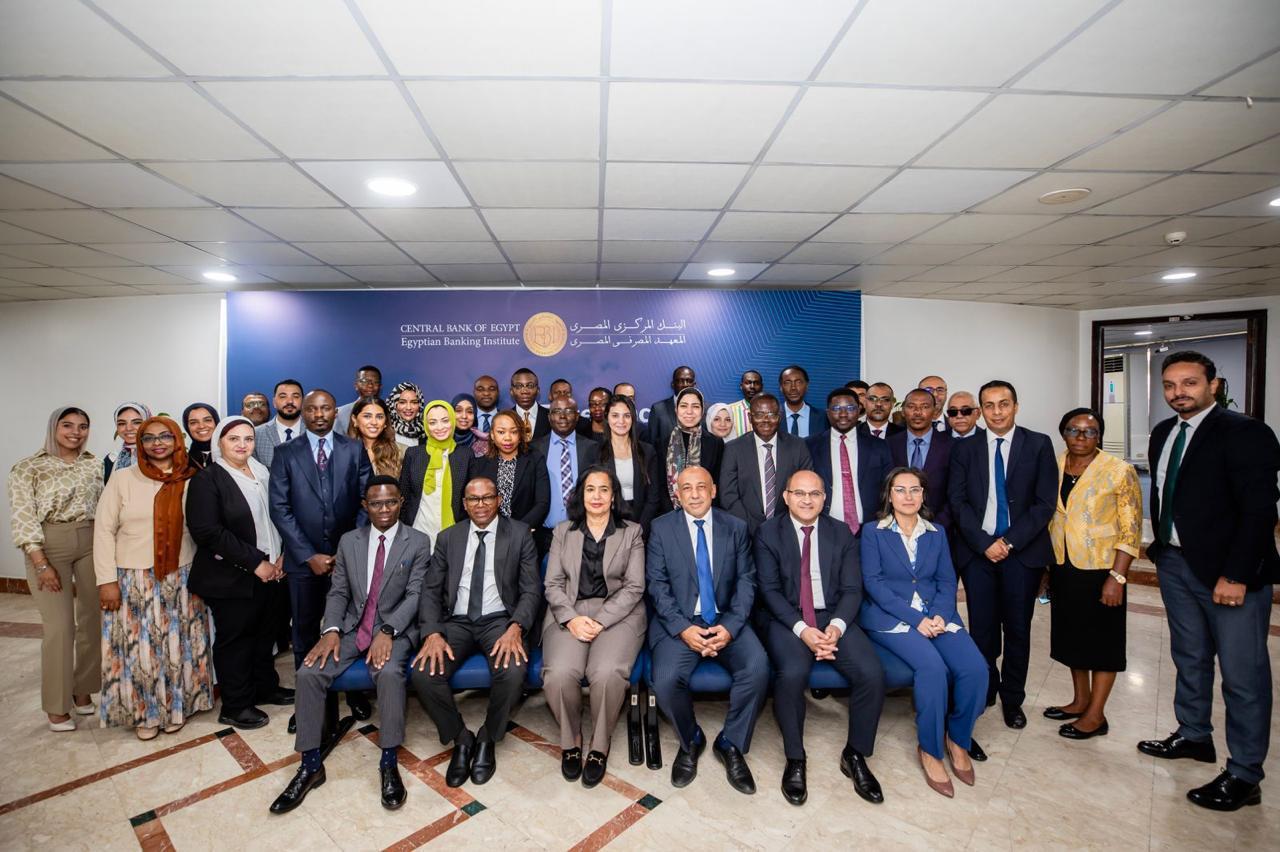
In line with the presidential directives to promote Egyptian-African integration, and within the framework of ongoing cooperation between the Central Bank of Egypt (CBE) and the COMESA Monetary Institute (CMI), the CBE hosted a five-day training program on “Micro and Macro Stress Testing for Central Banks” at the Egyptian Banking Institute (EBI) in Cairo.

28 Experts from 11 COMESA Central Banks Join Program

This program reflected the CBE’s leading role in achieving integration among African central banks. The training program included 28 participants representing 11 Central Banks from COMESA Member States, along with a delegation from the CMI. The sessions featured discussions, practical examples, and the sharing of expertise on micro and macro stress testing using standard models. Moreover, the training covered applications of stress testing tools in credit risk, liquidity, climate change, and interbank contagion risks.

Hands-On Sessions on Micro & Macro Stress Testing

On this occasion, Dr. Naglaa Nozahie, the Governor’s Advisor for African Affairs, emphasized the importance of such training programs in enhancing the capacity of Central Banks to address crises and assess systemic risks. She also underscored the CBE’s commitment to building the capacity of Central Banks’ staff across Africa and strengthening joint cooperation with countries across the continent, particularly within the COMESA region. This marked the 12th consecutive year of training programs provided by the CBE for COMESA Central Banks’ staff.

Focus on Credit Risk, Liquidity & Climate Change

Furthermore, Dr. Ahmed Sahloul, the Assistant Sub-Governor for the Macroprudential Sector at the CBE, highlighted the significance of conducting micro and macro stress tests to assess the effects of various macro-financial and geopolitical shocks on the banking sector’s performance and resilience. Moreover, stress tests can be employed to assess the impact of emerging risks, such as climate change and cybersecurity risks. Ultimately, the stress tests results can be used to guide policymakers to implement appropriate measures that strengthen the role of the banking sector in financial intermediation, and thereby safeguarding financial stability.

12th Year of Capacity Building for COMESA Banks

From his side, Dr. Lucas Njoroge, Director of COMESA Monetary Institute, expressed his gratitude to the CBE for its continuous contribution to building the capacities of COMESA Central Banks, highlighting the Institute’s aspiration for further collaborations with the CBE in the coming years.

Addressing Emerging Risks: Cybersecurity & Climate

The training program, which encompassed lecturers from the Offsite Supervision and Macroprudential sectors, featured interactive sessions for the exchange of expertise among representatives of COMESA Central Banks. These sessions aimed to address current challenges and potential solutions, as a practical exercise in applying stress tests and their regulatory frameworks within central banks.

COMESA Monetary Institute Praises CBE’s Efforts

At the end of the program, a set of proposals and recommendations were formulated to deepen the understanding of how stress tests can enhance the operations of COMESA Central Banks. These recommendations will be discussed at the level of central bank governors during their upcoming annual meeting in “Uganda” in November 2025.

Financial Soundness Indicators Reflect the Resilience of the Banking Sector

,The Financial Soundness Indicators have underscored the resilience and robustness of the banking sector as a key pillar

.supporting the state’s efforts to achieve economic, financial, and monetary stability

,This resilience is reflected in the banking sector’s ability to provide financing for various economic sectors

.contributing to the increase of Gross Domestic Product (GDP), and achieving high growth and investment rates, as well as creating job opportunities for all citizens

Additionally, the capital adequacy ratio reached 19.1% by the end of Q3 2024, marking an increase of 0.5%, compared to a minimum regulatory requirement of 12.5%.

.Regarding the asset quality, ratio of non-performing loans (NPLs) declined to 2.4% of total loans, with the provisions’ coverage ratio for NPLs reaching 87.4%

,Moreover, the indicators reflected the maintenance of high and stabilized liquidity rates in both local and foreign currencies, which recorded 32.1% and 77.7%

.respectively, compared to minimum regulatory requirement of 20% and 25%respectively. As for the loan-to-deposit ratio, it marked 61.3% by the end of Q3 2024

.These indicators confirmed the preservation of high profit margins, with a return on equity of 32.2%, by the end of FY2023

,In this regard, the financial resilience of the banking sector fosters banks’ ability to support the national economy

,maintained by the regulatory framework of the Central Bank of Egypt (CBE), which closely monitors the performance of all banks

.and ensures their adherence to international best practices in achieving financial stability