رئيس مجلس الإدارة
سعيد اسماعيل
رئيس التحرير
مروة أبو زاهر

رئيس مجلس الإدارة
سعيد اسماعيل

رئيس التحرير
مروة أبو زاهر

Central Bank Governor and Minister of Agriculture Visit Aswan to Support Smallholder Farmers and Promote Financial Inclusion

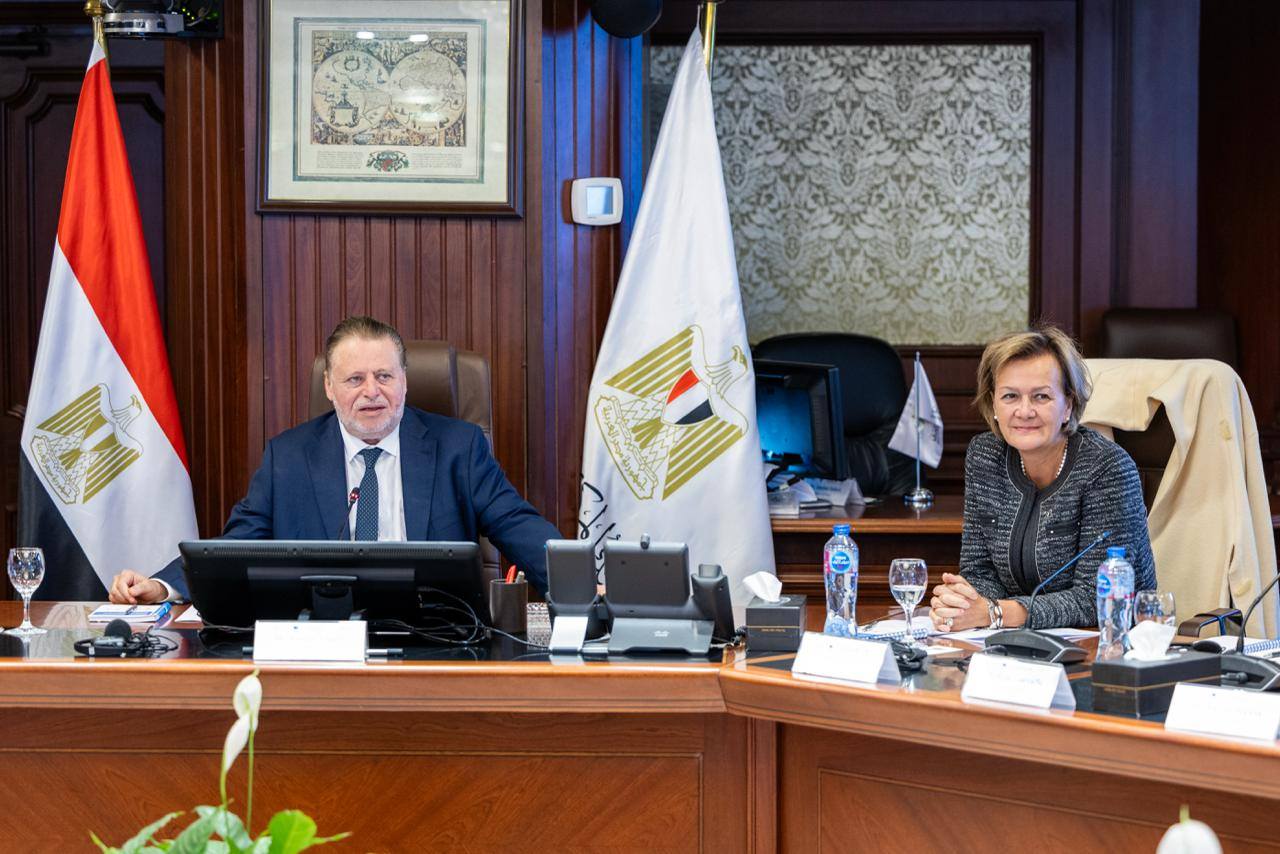
  H.E. Mr. Hassan Abdalla, Governor of the Central Bank of Egypt (CBE), and H.E. Mr. Alaa Farouk

Minister of Agriculture and Land Reclamation, conducted a field visit today in several villages in Aswan

Governorate to review the “Transforming the Livelihoods of Smallholder Farmers project This project

is a collaboration between the CBE, the banking sector, the Ministry of Agriculture, and the UN’s World

Food Programme (WFP) The visit was accompanied by Major General Dr. Ismail Kamal, Governor of Aswan

and Ms Rawad Halabi, WFP’s Country Director and Egypt Representative, along with senior officials from the

CBE, the banking sector, and the Ministry of Agriculture

Empowering Smallholder Farmers through Financial Inclusion and Sustainable Practices

Central Bank The project’s objective is to integrate smallholder farmers into the formal financial system

and provide tailored financial products and services This aims to improve the farmers’ economic

and social livelihoods by optimizing the use of natural resources, including land and water It also

focuses on women’s economic empowerment and the enhancement of financial literacy within

rural communities

Key Highlights of the Visit: Solar Irrigation and Agricultural Innovation

During the visit, Mr. Abdalla and Mr. Farouk visited a solar-powered irrigation station in Armana

village and observed a model for cultivating sugarcane seedlings using solar-powered drip irrigation

systems in Eniba village They engaged with project beneficiaries, toured agricultural fields, and

inspected productive enterprises The delegation also reviewed on-the-ground activities, including

technical support and training for farmers, the provision of agricultural inputs, and the promotion

of sustainable farming practices that are increasing production and boosting the incomes of rural households

Promoting Financial Inclusion in Aswan’s Villages

Mr. Abdalla and Mr Farouk reviewed the CBE’s efforts in promoting financial inclusion

in Aswan’s villages They also participated in training sessions for women focusing on

upcycling palm waste into handicrafts and agri-processing techniques such as producing

energy balls and dates. The visit concluded with a tour of an exhibition featuring local women’s

products, which were praised for their quality and craftsmanship

Strong Partnership for Sustainable Agricultural Development

In his remarks, Mr. Hassan Abdalla, Governor of the CBE, expressed his satisfaction with the

warm hospitality in Aswan and praised the success of the “Transforming the Livelihoods of

Smallholder Farmers” project He highlighted the tangible impact the project has had on

improving living standards and economic empowerment in rural Egypt He emphasized the

importance of state institutions, the banking sector, and international partners working together

for sustainable development in Upper Egypt He further noted that the project aligns with the

government’s strategy to support smallholder farmers, integrate them into the formal financial

system, and promote financial inclusion This helps improve citizens’ livelihoods and optimizes

the use of natural resources, especially in the Upper Egypt governorates and other underprivileged

areas Additionally, Mr Abdalla highlighted the CBE’s focus on empowering women and developing

rural communities that are better equipped to confront economic and environmental challenges

Ministry of Agriculture’s Role in Supporting Smallholder Farmers

Mr Alaa Farouk, Minister of Agriculture and Land Reclamation, emphasized that smallholder

farmers are the backbone of Egypt’s food security and the agricultural sector’s future He

stressed the importance of providing these farmers with the necessary support and noted the

success of the partnership between the CBE, the Ministry of Agriculture, and the WFP

Mr Farouk outlined the Ministry’s role in providing technical support, modern agricultural advisory services

and access to improved seeds and agricultural mechanization He also emphasized that the Ministry’s Executive

Agency for Comprehensive Development Projects (EACDP) would ensure that the support reaches the eligible

farmers This includes accurately identifying smallholder farmers, supervising project implementation, and

optimizing resource usage to enhance project success

Achievements of the Project’s First Phase

 The first phase of the project, which ran from January 2021 to June 2022, benefited

approximately 85,000 smallholder farmers Key outcomes included the consolidation and

development of 8,500 feddans of agricultural land, the introduction of modern irrigation

systems, and the installation of solar panels These initiatives led to a 34% increase in crop

production and a 35% increase in revenues for farmers In addition, the project reduced operational

costs by 37.5%, supported the capacity-building of 50 social and civil organizations, and trained 2,250

individuals, with 31% of participants being women The first phase also offered financial literacy training

to 34,000 beneficiaries, including 47% women, and funded 15,000 women in establishing livestock projects

, which resulted in an income increase of up to 55%

Expanding the Project’s Impact in the Second Phase

Central Bank The second phase of the project began in January 2025 and will extend through December

2026, with total funding of EGP 120 million The new phase targets 11 additional villages and will

continue the cultivation of strategic crops, including sugarcane, along with export-oriented

cash crops such as cantaloupe By 2025, the initiative is expected to support 23,500 beneficiaries

develop and integrate 400 feddans of agricultural land, and install 21 solar-powered stations with

a combined capacity of nearly 1,000 kilowatts

Egypt Leads a Continental Initiative..Central Bank and Afreximbank Sign MoU to Establish an African Gold Bank

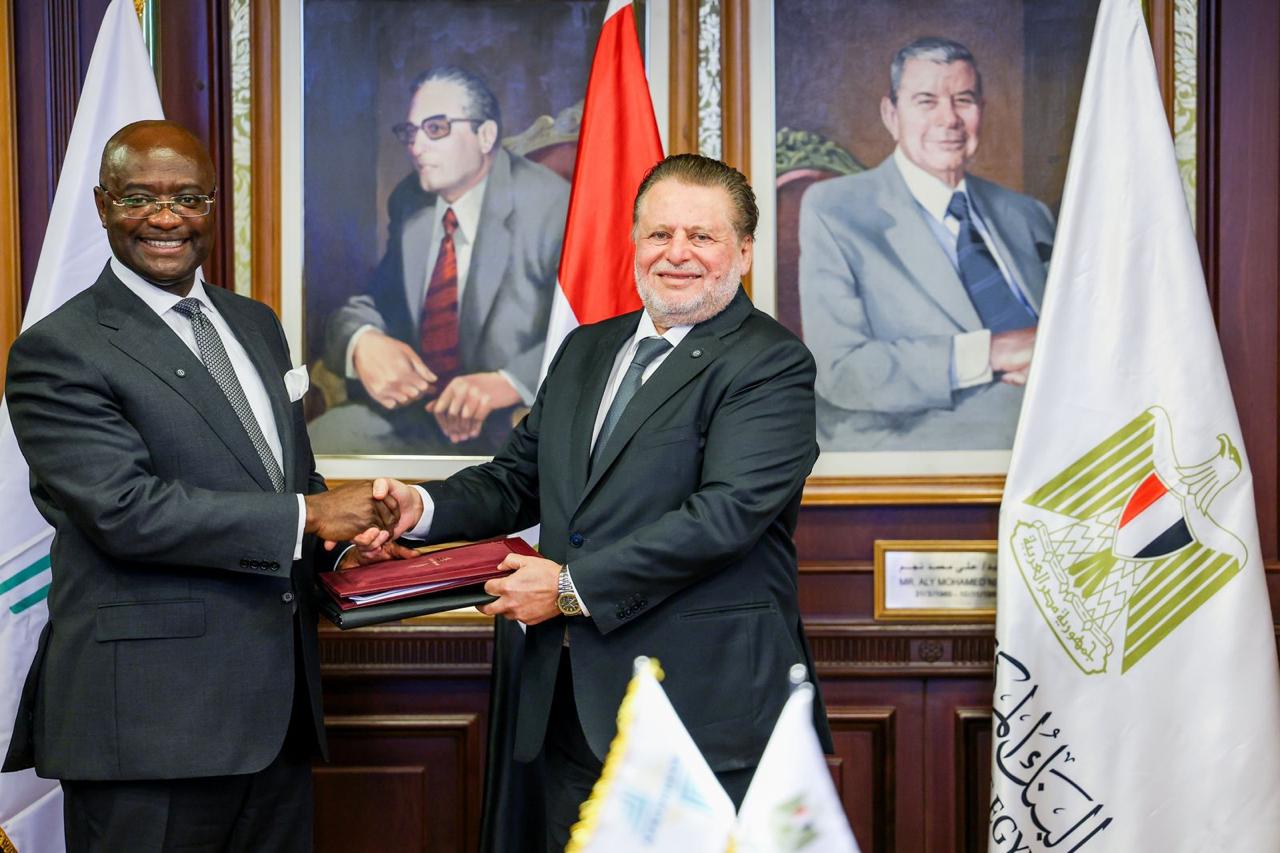
The Central Bank of Egypt (CBE) and the African Export–Import Bank (Afreximbank) have

signed a Memorandum of Understanding (MoU) to establish a pan-African Gold Bank programme

in Egypt, marking a major milestone in Africa’s efforts to strengthen gold value chains and retain

mineral wealth within the continent The strategic initiative aims to formalise gold production and

trading, strengthen central bank gold reserves, and reduce Africa’s dependence on foreign refining

and trading hubs, while supporting sustainable economic development across African economies

High-Level Signing Ceremony in Cairo

The MoU was signed at the headquarters of the Central Bank of Egypt in Cairo by H E Mr Hassan

Abdalla, Governor of the Central Bank of Egypt, and Dr George Elombi, President and Chairman of

the Board of Directors of Afreximbank, during an official signing ceremony attended by senior

representatives from both institutions

Aligning with Egypt’s Vision and Afreximbank’s Strategic Priorities

The establishment of the Gold Bank programme aligns with Egypt’s national vision to expand

strategic partnerships and deepen cooperation with African countries across key economic sectors

It also supports Afreximbank’s mandate to promote value addition, strategic mineral processing

and industrial development across Africa The partnership reflects a shared commitment to domestic

manufacturing, sustainable development, and regional financial and trade integration, contributing to

the creation of a resilient and advanced African economic ecosystem

Integrated Gold Bank Ecosystem in a Free Zone in Egypt

Under the terms of the MoU, the Central Bank of Egypt and Afreximbank will jointly

commission a comprehensive feasibility study to assess the technical, commercial, and

regulatory requirements for establishing an integrated Gold Bank ecosystem in a designated

free zone in Egypt, with the participation of African countries

The proposed ecosystem includes

An internationally accredited gold refinery

Secure gold vaulting and storage facilities

Specialised financial services linked to gold

Advanced gold trading and market infrastructure

Pan-African Scope and Institutional Collaboration

The initiative is designed to expand across the African continent by engaging governments

central banks, mining companies, and industry stakeholders This approach aims to harmonise

best practices, strengthen institutional collaboration, and facilitate sustainable gold trade and

related financial services within Africa

CBE Governor: Egypt Positioned as a Regional Gold Hub

Commenting on the agreement, Mr Hassan Abdalla, Governor of the Central Bank of Egypt

stated that the initiative represents a foundation for a broader pan-African framework involving

governments, central banks, and market participants He emphasized Egypt’s commitment to driving

African economic integration, noting that Egypt’s selection as a potential hub—subject to feasibility

outcomes and regulatory approvals—reflects strong confidence in the country’s ability to host major

continental projects. With its strategic location linking Africa, the Middle East, and Europe, Egypt is well

positioned to become a regional hub for gold trade and financial innovation

Afreximbank: Africa’s Gold Must Benefit Africans

Speaking at the signing ceremony, Dr George Elombi reaffirmed the joint commitment

of both institutions to align resources and efforts to promote financial stability and sustainable

economic prosperity across Africa He noted that while the MoU may appear simple, its economic

implications are profound The initiative establishes an African Gold Bank that will transform how

Africa extracts, refines, manages, values, stores, and trades gold, with the primary objective of

retaining value within the continent By building strategic gold reserves—similar to practices

adopted by major global economies—the initiative is expected to enhance Africa’s economic

resilience, reduce exposure to external shocks, support currency stability and convertibility

and create long-term wealth across African nations

Strong Institutional Ties Between Egypt and Afreximbank

The Central Bank of Egypt and Afreximbank share a long-standing and strong partnership

Egypt is Afreximbank’s largest shareholder and hosts the Bank’s headquarters in Cairo, further

reinforcing Egypt’s role as a leading financial and economic hub for Africa

Central Bank of Egypt Launches Anti-Fraud Training Program for Banking Sector Employees

As part of its ongoing efforts to enhance professional competencies and reinforce the resilience

of the Egyptian banking sector, the Central Bank of Egypt (CBE), in collaboration with the Egyptian

Banking Institute (EBI), has announced the launch of a new training initiative titled Foundations of

Fraud Combating The program is designed to address the growing complexity and rapid evolution

of banking fraud schemes and strengthen institutional preparedness

Raising Awareness and Establishing a Unified Approach to Fraud Combating

Commenting on the initiative, Mr Mostafa Khidr, General Manager of the Fraud Combating

and Financial Crimes Centralized Department at the Central Bank of Egypt, stated that the

program represents a strategic opportunity to raise awareness and promote a shared

understanding of various fraud patterns in the banking sector and the overarching

frameworks for combating them He emphasized the importance of achieving swift response

mechanisms and effective mitigation techniques, while also establishing a clear and unified

definition of banking fraud Mr Khidr stressed that fraud combating is a collective responsibility

noting that even the most robust policies, procedures, and internal control systems can only be

effective when supported by continuous awareness, vigilance, and commitment from financial

institutions, their employees, and customers

Strengthening Human Capital to Build a Secure Banking Sector

Central Bank For his part, Dr Abdel Aziz Nossier, Executive Director of the Egyptian Banking Institute

highlighted that the launch of the “Foundations of Fraud Combating training program

marks a new milestone in the ongoing efforts to enhance the capabilities of banking professionals

He noted that the program, which was developed under the supervision of the Central Bank of Egypt

aims to equip participants with essential theoretical knowledge and practical skills required to detect

prevent, and mitigate fraudulent activities Dr Nossier further emphasized that investing in human capital

development is a cornerstone for building a more secure, resilient, and sustainable banking sector

Comprehensive Training for Banking Sector Employees Across All Levels

Central Bank The newly launched program targets banking sector employees across all specializations

and job levels, aiming to strengthen their ability to identify and counter fraud risks effectively

Participants will gain in-depth insights into the different types of fraud that may affect bank

employees or customers, along with proven methods to prevent and block fraudulent attempts

In addition, the program highlights the impact of fraud on the banking sector through real-life

case studies and provides clear guidance on the appropriate actions to be taken when a fraudulent

incident is detected or suspected, reinforcing best practices in financial crime prevention and risk management

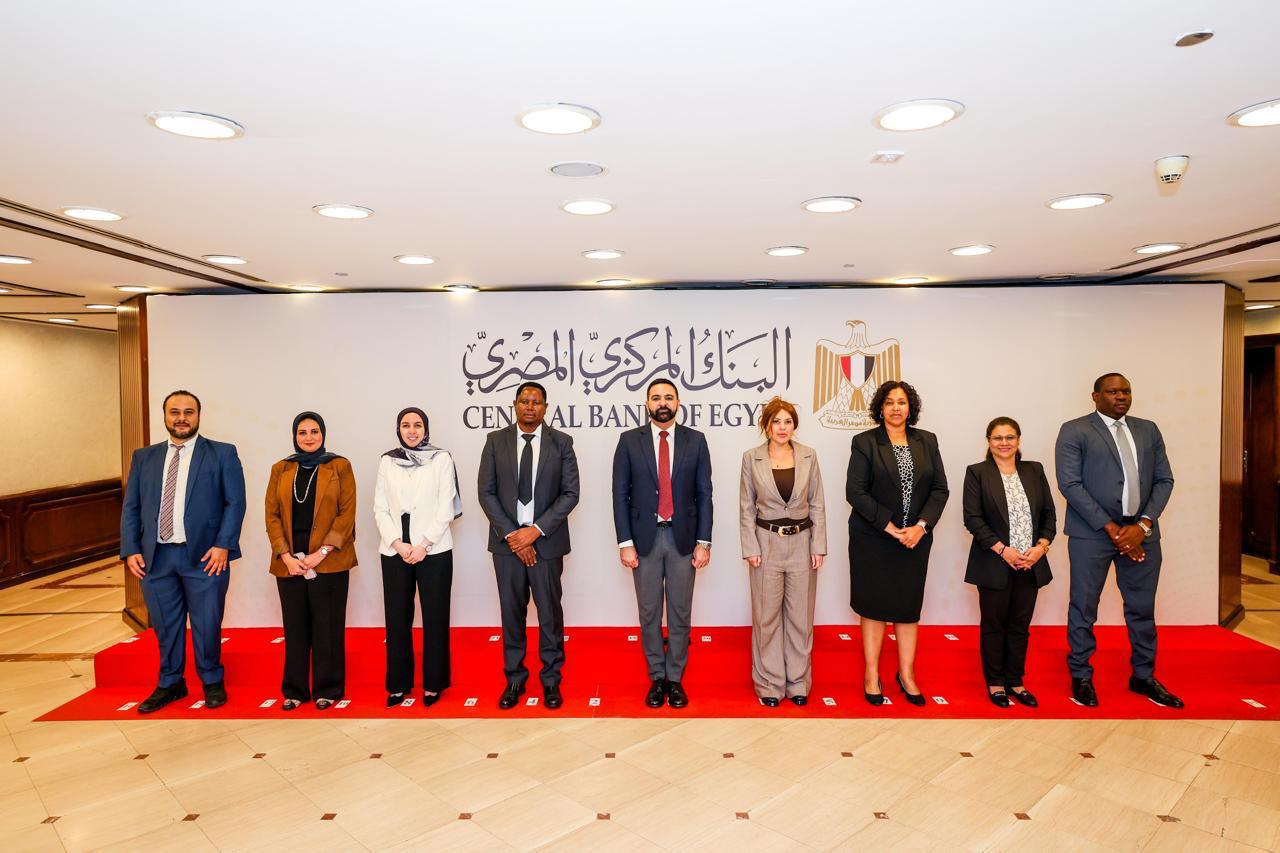
Central Bank of Egypt Hosts Bank of Tanzania Delegation to Exchange Expertise in Business Continuity Management

As part of its ongoing commitment to enhancing cooperation with African central banks

the Central Bank of Egypt (CBE) hosted a high-level delegation from the Bank of Tanzania

aiming to exchange expertise and share best practices in Business Continuity Management (BCM)

The visit was conducted under the CBE’s expertise-exchange program and reflects Egypt’s leading

role in supporting institutional development and financial stability across the African continent

Exploring Egypt’s Leading Business Continuity Framework

The five-day visit brought together a group of planning and management experts from

the Bank of Tanzania, who gained in-depth exposure to Egypt’s pioneering experience in

business continuity The program highlighted the critical role of BCM in ensuring the stability

resilience, and sustainability of banking operations, as well as enhancing preparedness and

response to crises and emergencies

CBE Emphasizes Knowledge Exchange and Capacity Building

Dr Naglaa Nozahie, Advisor to the Governor of the Central Bank of Egypt for African Affairs

stated that hosting the Tanzanian delegation underscores the CBE’s strong commitment to

expanding expertise-exchange initiatives with African central banks, particularly in strategic

areas such as business continuity and crisis management She noted that the program enabled

the visiting delegation to gain firsthand insight into the best practices implemented at the CBE

contributing to institutional capacity building and strengthening technical cooperation between

Egypt and Tanzania

ISO 22301 Certification Reflects CBE’s Readiness and Resilience

Mr Shehab Selim, Assistant Sub-Governor of the CBE for the Risk Management Sector

welcomed the delegation and highlighted that the Central Bank of Egypt’s achievement

of ISO 22301 certification reflects its commitment to applying the highest international

standards in Business Continuity Management He emphasized that the certification

demonstrates the CBE’s ability to ensure a swift and effective response to crises and

emergencies, reaffirming the Bank’s readiness to share its expertise in business continuity

and risk management with professionals from African central banks

Field Visits and Technical Sessions Enhance Practical Knowledge

The visit included a field tour of the alternative business continuity sites, allowing the

delegation to explore the operational systems and infrastructure designed to ensure

uninterrupted banking services In addition, the Tanzanian delegation participated in

interactive discussion sessions and technical presentations, addressing key challenges

faced by financial institutions and the strategies used to overcome them through effective

BCM frameworks The sessions also focused on developing business continuity capabilities

ensuring organizational readiness for potential disruptions, and emphasizing the vital role of

senior management support in the success of business continuity programs

Egypt’s Growing Role as a Regional Hub for Central Banking Expertise

The Bank of Tanzania delegation forms part of a series of specialized visits by African central

banks to the Central Bank of Egypt, aimed at fostering cooperation and benefiting from Egypt’s

extensive expertise in key central banking domains These areas include cybersecurity, payment

systems, banking supervision, risk management, and other critical functions, reinforcing Egypt’s

position as a regional center for central banking excellence and knowledge sharing in Africa

Egypt’s Central Bank and EBRD Partner to Promote Financial Inclusion Through MasterTalks Series

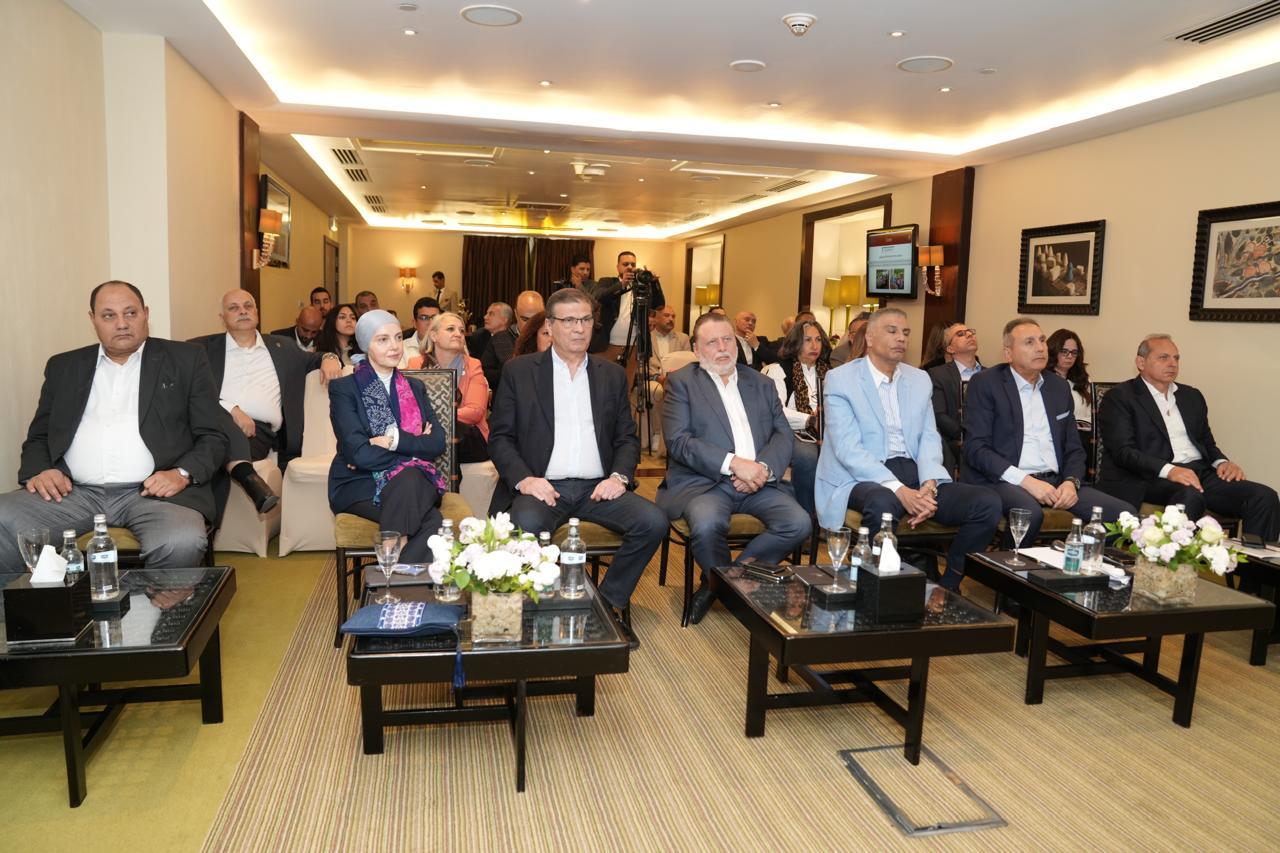
Launch of MasterTalks Series to Promote Banking Innovation

The Central Bank of Egypt (CBE), in collaboration with the European Bank for Reconstruction

and Development (EBRD), has launched a series of specialized masterclasses called “MasterTalks

aimed at supporting financial inclusion in Egypt and promoting innovation across the banking sector

This initiative is carried out in partnership with the Federation of Egyptian Banks (FEB) and seeks to

implement best practices in inclusive banking while advancing knowledge and technological adoption

in financial services The inaugural session brought together key stakeholders, including heads of Micro

Small, and Medium-sized Enterprises (MSMEs), financial inclusion managers from Egyptian banks, and

representatives from supporting institutions such as the Credit Guarantee Company (CGC), the Egyptian

Credit Bureau (i-Score), and the Egyptian Banking Institute (EBI) International experts also participated

sharing global use cases and discussing challenges in deploying Artificial Intelligence (AI) in emerging markets

Advancing Digital Transformation for Financial Inclusion

Central Bank Each MasterTalk session is dedicated to a specific theme related to the digital transformation

of the banking sector, aiming to enhance access to banking services for all segments of society

Discussions highlighted the role of emerging technologies and AI tools in improving both financial

and non-financial services, particularly for MSMEs and financially excluded individuals, enabling

them to meet their diverse financial needs The sessions emphasized the importance of leveraging

digital banking solutions to modernize the sector, streamline operations, and create innovative

solutions that support Egypt’s vision of inclusive economic growth

Promoting Innovation and Capacity Building in Egypt’s Banking Sector

This initiative reflects the Central Bank and EBRD’s commitment to fostering banking sector innovation

capacity building, and promoting inclusive and sustainable financial growth As part of these efforts

the CBE continues to prioritize financial inclusion in line with Egypt’s Vision 2030, focusing on expanding

access to banking services and economic empowerment of citizens through digital financial solutions

The results of these initiatives are evident as of June 2025, the financial inclusion rate in Egypt

reached 76.3%, representing a 214% increase since 2016. Similarly, lending portfolios directed to

MSMEs have grown by 395% over the same period

Central Bank: Driving Sustainable Financial Growth

Egypt, a founding member of the EBRD, has benefited from over EUR 13.5 billion in investments

across 206 projects since the Central Bank began operations in 2012. This long-term partnership highlights

Egypt’s commitment to financial sector innovation, inclusive growth, and the adoption of digital

solutions in banking The MasterTalks series marks a significant step toward fostering financial inclusion

technological innovation, and sustainable growth in Egypt’s banking sector, providing a model for other

emerging markets to follow

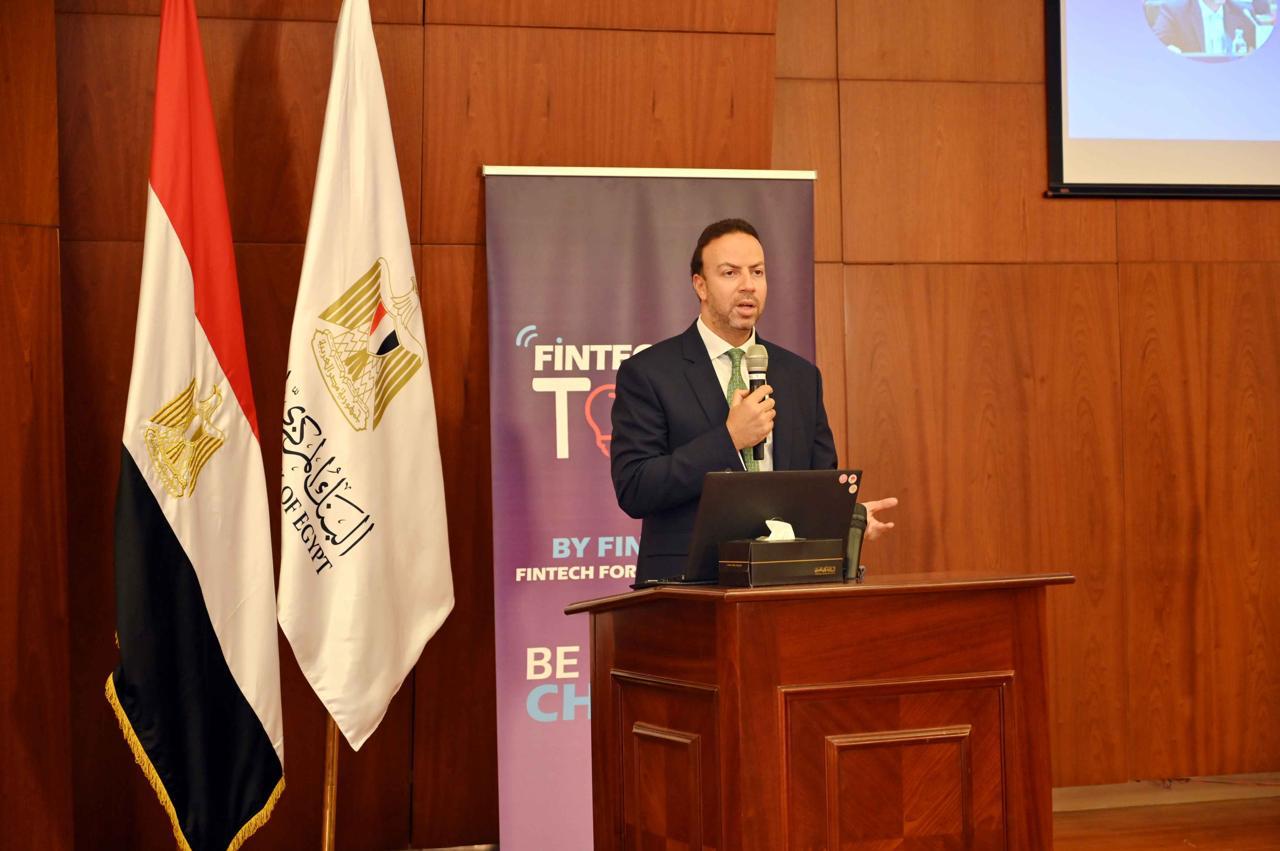
Central Bank of Egypt Launches FinTech Got Talent 2025 to Boost Youth Innovation

The Central Bank of Egypt (CBE) has launched the third edition of the FinTech Got Talent 2025

competition, part of its ongoing efforts to support youth and strengthen Egypt’s position as a

regional hub for financial technology (FinTech) innovation The initiative, implemented through

the FinYology program under FinTech Egypt, is organized in collaboration with the Federation

of Egyptian Banks (FEB) and the Egyptian Banking Institute (EBI), targeting university students

with innovative FinTech projects

CBE Hosts the Third Edition of FinTech Got Talent

 Central Bank The official launch event was held recently at the CBE, with Rami Aboulnaga, Deputy

Governor, delivering the opening speech The event gathered senior officials from the CBE

banking sector leaders, and representatives from leading Egyptian universities

In his address, Mr. Aboulnaga highlighted that the competition is aligned with the CBE’s

FinTech and Innovation Strategy, focusing on developing young talent with the practical

skills needed to meet labor market requirements. He emphasized that the competition also

demonstrates effective collaboration between the banking sector and the educational system

 promoting digital transformation, financial inclusion, and an innovative ecosystem for youth in Egypt

Competition Stages and Incubation Program

 Central Bank The FinTech Got Talent 2025 competition featured multiple stages, starting with university

-level eliminations and culminating in the selection of 11 top projects. These projects were

incubated through a one-month intensive program at DMZ Cairo, aimed at transforming

innovative student ideas into practical, market-ready solutions

The competition concluded with the announcement of the three winning projects

First Place – ESLSCA University Tapay, a mobile application that converts any smartphone

into a contactless payment terminal, enabling merchants to accept NFC payments without

traditional POS devices Second Place – British University in Egypt (BUE) Money Adventure

the first gamified financial literacy app designed to make financial education fun and engaging

for children Third Place – Cairo University AgriDawar, a digital platform connecting farmers

directly with buyers of agricultural surplus, leveraging e-payment systems and e-wallets for

transparent and instant transactions

Egyptian Teams Shine in Arab FinTech Challenge

 Central Bank The winning teams earned the opportunity to represent Egypt in the Arab

FinTech Challenge, held in Dubai in October 2025 Notably, ESLSCA University and BUE secured

first and second place, respectively, competing against top universities from the UAE, Saudi Arabia

Qatar, and Morocco Dr. Rasha Negm, Assistant Sub-Governor for FinTech and Innovation

at the CBE, emphasized that these achievements reflect the exceptional talent of Egyptian

youth in FinTech and strengthen Egypt’s position as a leading regional innovation hub

 Central Bank: Nurturing FinTech Innovation and Startups

 Central Bank Launched in 2023, the FinTech Got Talent competition is the first of its kind in Egypt

under the FinYology initiative, which integrates students into practical, hands-on

environments The initiative equips participants with the skills and experience needed

to adapt to global FinTech developments and enhances their creative capabilities across

multiple domains to meet labor market demands Currently, FinYology spans over 30 Egyptian

universities, delivering 900 student-led projects with participation from approximately 19,000

students Supported by around 18 Egyptian banks, the initiative exemplifies the CBE and the

banking sector’s commitment to youth empowerment, entrepreneurship, and fostering a

vibrant FinTech ecosystem in Egypt

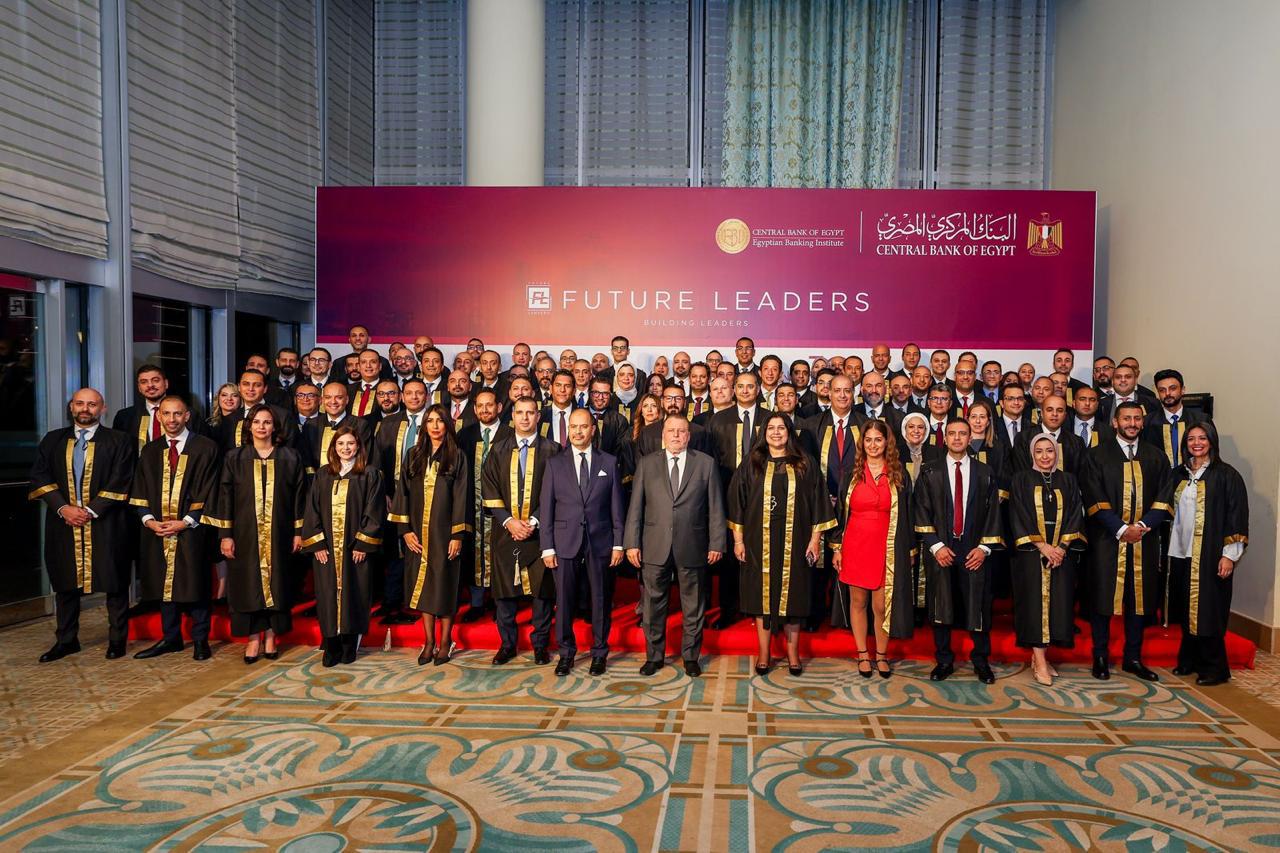
Governor of Central Bank of Egypt Attends Graduation Ceremony for “Future Leaders” Program at EBI

Central Bank Governor Highlights Importance of Human Capital in Banking

H.E. Mr. Hassan Abdalla, Governor of the Central Bank of Egypt (CBE) and Chairman of the

Board of Directors of the Egyptian Banking Institute (EBI), attended the graduation ceremony for four new

cohorts of the prestigious “Future Leaders” program at the EBI.

The event celebrated 93 young banking professionals who successfully completed this intensive training

designed to prepare the next generation of leaders in Egypt’s banking sector.

Attendance of Key Central Bank Officials Reinforces Commitment to Banking Excellence

The ceremony was attended by prominent banking officials including Mr. Rami Aboulnaga, Deputy Governor

of the CBE for Monetary Stability, and Mr. Tarek ElKholy, Deputy Governor for Banking Stability

and EBI Board Member.

Dr. Abdel Aziz Nossier, Executive Director of the EBI, also participated, along with members

of the EBI Board of Directors and senior executives from the banking sector.

The presence of these high-profile figures highlighted the Central Bank’s commitment

to human capital development and innovation in banking leadership.

Future Leaders Program Marks 30 Years of Excellence in Banking Education

In his keynote speech, Mr. Abdalla expressed pride in witnessing the graduation of the new cohorts

of the Future Leaders Program, one of the EBI’s flagship initiatives launched 30 years ago.

Over three decades, the EBI has continuously nurtured and developed young talents, reinforcing the

Central Bank of Egypt’s strategic focus on building skilled professionals capable of driving

sustainable growth in the banking sector.

Central Bank Launches New Undergraduate Program in Banking Sciences

Highlighting ongoing initiatives, the Governor emphasized the recent launch of the “Bachelor of

Banking Sciences” program at several Faculties of Commerce, starting from the academic year 2025/2026.

This first-of-its-kind undergraduate program aims to create a pipeline of highly trained banking professionals

who will contribute to the modernization and digital transformation of Egypt’s financial sector.

EBI Strengthens Training Programs with Advanced Tools and International Exposure

Dr. Abdel Aziz Nossier reiterated the EBI’s commitment to continuously evolving the Future Leaders

Program using cutting-edge training methodologies and assessment tools.

The program includes theoretical and practical modules in banking sciences, leadership, and FinTech.

Participants also gain international exposure through site visits to global financial institutions, learning

best practices to implement in Egypt’s banking sector.

Preparing the Next Generation of Banking Leaders

The graduation marked the completion of cohorts 32, 33, 34, and 35, totaling 93 young banking leaders.

The Central Bank of Egypt and EBI have tailored this program to develop highly capable professionals

ready to take on leadership roles and drive transformation in the financial sector.

Since its inception, the program has produced hundreds of graduates who now occupy key positions

across Egyptian banks, underlining the success of this initiative in shaping the future of banking.

Egyptian Banking Institute: Driving Knowledge and Excellence in Financial Services

Established in 1991 by decree of the Central Bank of Egypt, the EBI serves as the CBE’s training

arm, promoting international best practices and enhancing the technical and managerial skills of banking personnel.

The institute aims to become a regional hub for financial knowledge, offering skill development

programs, integrated knowledge services, and initiatives that promote financial literacy across Egypt.

Central Bank Prioritizes Innovation and Professional Development

The Central Bank of Egypt remains committed to fostering innovation and leadership

within the banking sector.

By investing in human capital and developing programs like the Future Leaders

Program, the CBE ensures the banking sector remains resilient, competitive, and aligned

with international standards.

These initiatives not only prepare young professionals for leadership roles but also

support sustainable growth for Egypt’s financial industry.

Future Prospects for Banking Leadership in Egypt

The graduation ceremony demonstrates the Central Bank’s ongoing dedication to nurturing

talented professionals capable of leading Egypt’s banking sector through periods of rapid

technological and economic transformation.

With programs like the Future Leaders Program and the Bachelor of Banking

Sciences, the CBE is paving the way for a robust, skilled workforce ready to meet the

challenges of the modern financial landscape.

Central Bank of Egypt and Chinese Regulator Ink MoU on Financial Sector Cooperation

As part of the ongoing efforts to deepen strategic bilateral relations

between the Arab Republic of Egypt and the People’s Republic of China

the Central Bank of Egypt (CBE) hosted a high-level Chinese delegation led

by Mr FU Wanjun, Vice Minister of the China National Financial Regulatory

Administration (NFRA), during an official visit to Cairo

Mr Tarek ElKholy, Deputy Governor of the Central Bank of Egypt, welcomed

the delegation at the CBE headquarters, where both sides held in-depth

discussions on strengthening regulatory cooperation in the banking sector

enhancing cross-border supervision, and developing robust channels for

knowledge sharing and technical collaboration

MoU Signed to Facilitate Licensing, Cross-Border Supervision, and Exchange of Information

 Central Bank The meeting culminated in the signing of a Memorandum of Understanding (MoU)

between the CBE and NFRA, aimed at bolstering joint financial regulatory efforts

The MoU includes provisions for

Licensing coordination for banks and financial institutions operating in either country

Supervisory cooperation regarding cross-border banking activities

Exchange of supervisory information to promote financial system safety and stability

Technical training and capacity building in the area of banking supervision

The agreement aligns with the legal and regulatory frameworks of both countries

and reinforces their mutual commitment to regulatory transparency, effective supervision

and the stability of financial institutions

Commitment to Modernizing Supervision Through AI and Regulatory Innovation

Deputy Governor Tarek ElKholy highlighted the importance of the visit and expressed

appreciation for the strong cooperation between Egypt and China. He emphasized that

the MoU presents a valuable opportunity to expand financial collaboration and regulatory

harmonization, particularly in The use of advanced technologies and artificial intelligence

in banking supervision

Policy dialogue on regulatory reforms and updates

Ensuring financial stability through collaborative oversight of regulated institutions

He also reaffirmed the CBE’s commitment to building long-term partnerships with international

regulatory counterparts to support a more resilient and innovative banking sector

 Central Bank : The MoU Marks a Milestone in Financial Regulatory Cooperation

 Central Bank Speaking during the event, Mr FU Wanjun, Vice Minister of NFRA, expressed his

appreciation for the hospitality and the shared vision between both institutions

He praised the efforts made to strengthen bilateral cooperation and stated that the

MoU represents a key milestone in

Institutionalizing regulatory dialogue between the CBE and NFRA

Sharing best practices in financial regulation and risk management

Building a foundation for future collaboration in areas of mutual strategic interest

He concluded by emphasizing that this agreement lays the groundwork for sustained regulatory

coordination, especially as both nations continue to modernize their financial systems and adapt

to emerging global challenges

Central Bank: S&P Global Upgrades Egypt’s Credit Rating on FX Reform and Economic Growth

H E Mr Hassan Abdalla, Governor of the Central Bank of Egypt (CBE), welcomed

the recent decision by S&P Global Ratings to upgrade Egypt’s sovereign credit rating

from “B-” to “B” with a stable outlook He affirmed that the upgrade reflects growing

international confidence in the Egyptian economy, driven by a comprehensive agenda

of monetary and structural reforms The Governor highlighted that exchange rate unification

was a pivotal measure in enhancing market stability and restoring investor trust, pointing to

recent improvements in external sector indicators and the increase in foreign exchange reserves

as evidence of the reform program’s effectiveness

CBE Reaffirms Commitment to Price Stability and Sustainable Growth

Mr Abdalla reiterated the Central Bank’s commitment to implementing sound monetary policies

aimed at curbing inflation, maintaining financial system stability, and fostering sustainable economic

growth These policy directions are essential for enhancing Egypt’s economic resilience and reinforcing

international investor confidence

Central Bank : FX Liberalization and Reform Drive Boost Economic Outlook

On Friday, S&P Global Ratings announced its decision to raise Egypt’s long-term credit rating

to “B” marking the country’s first upgrade in seven years The agency cited significant economic

reforms over the past 18 months, most notably the liberalization of Egypt’s foreign exchange regime

 as the primary driver behind the rebound in GDP growth during fiscal year 2025

S&P noted that transitioning to a flexible exchange rate has strengthened Egypt’s economic fundamentals

alongside notable increases in tourism revenues, remittance inflows, and net financial inflows, which have

collectively supported the country’s external financial position

Fitch Ratings Affirms Egypt’s ‘B’ Rating with Stable Outlook

In parallel, Fitch Ratings reaffirmed Egypt’s long-term foreign-currency credit rating

at “B” with a stable outlook, acknowledging the country’s resilient economic performance

improved external accounts, and continued progress in fiscal consolidation, despite regional

geopolitical pressures

 Egypt Gains Global Recognition for Reform Progress

Central Bank The latest credit rating upgrade by S&P and affirmation by Fitch send a strong signal to global

markets about Egypt’s economic reform credibility, policy discipline, and determination to sustain

macroeconomic stability These developments are expected to enhance Egypt’s attractiveness to

international investors, improve financing terms, and support long-term economic development

Central Bank of Egypt Unveils Banking Development Fund to Drive Digital Transformation

In a strategic move to enhance the resilience and global competitiveness of the Egyptian

banking sector, the Central Bank of Egypt (CBE) has officially launched the Banking Reform

and Development Fund, a pivotal initiative aimed at accelerating banking modernization and

supporting digital transformation in line with international best practices

The Fund’s Board of Directors (BoD) has been appointed for a four-year term and is chaired

by H E Mr Hassan Abdalla, Governor of the CBE The Board brings together prominent leaders

from the banking, finance, and information technology sectors, ensuring a broad and innovative

approach to sector development

Central Bank:Board Composition Reflects Cross-Sector Expertise

Central Bank The Fund’s governance structure is designed to provide strategic oversight with

a well-rounded mix of expertise It includes

Mr. Rami Aboulnaga, Deputy Governor for Monetary Policy

Mr Tarek ElKholy, Deputy Governor for Banking Stability

Five bank leaders elected by the Federation of Egyptian Banks (FEB)

Mr Mohamed El-Etreby, CEO, National Bank of Egypt

Mr Mohamed Abbas Fayed, CEO, First Abu Dhabi Bank – Egypt (FABMISR)

Mr Akef El Maghraby, CEO and Managing Director, Suez Canal Bank

Mr Tamer Waheed, Vice Chairman and Managing Director, AAIB

Mr Mohamed Abdelkader, Managing Director, Citibank Egypt

Three independent members from outside the banking sector

Mr Mohamed Abdallah, CEO, Vodafone Egypt & Regional Head at Vodacom

Eng Hoda Mansour, Vice Chair and MD at Sukari Gold Mines

Mr Tarek Abdel-Rahman, CEO, Bonyan for Development and Partner at Compass Capital

Strategic Priorities: Innovation, Cybersecurity, and Talent Development

Chaired by the Governor, the Fund’s inaugural meeting focused on laying out a strategic roadmap

defining priorities, and setting a robust governance framework The Fund will act as a catalyst for

change, supporting projects that aim to upgrade the banking sector’s technological infrastructure

enhance cybersecurity resilience, and build human capital capacity

Governor Hassan Abdalla emphasized that this Fund is a cornerstone in Egypt’s comprehensive

financial reform agenda, with a clear mandate to increase the sector’s efficiency, technological

adaptability, and global competitiveness He also highlighted the importance of drawing on diverse

sectoral expertise to guide strategic planning and execution

Fund’s Objectives: Digital Transformation, Financial Inclusion, and Resilience

Established under Law No. 194 of 2020 (Central Bank and Banking Sector Law), the Fund

operates as an independent legal entity affiliated with the CBE It includes all banks as

members and maintains independent financial statements

Its core objectives include

Enhancing national payment infrastructure

Promoting digital banking and FinTech innovation in Egypt

Addressing IT incidents and cyber threats effectively

Supporting business continuity and recovery plans

Strengthening financial literacy and expanding financial inclusion

Encouraging banking product and service innovation

Improving operational efficiency across institutions

Flexibility to Invest and Collaborate at National and Global Levels

Central Bank To achieve its mission, the Fund is authorized to

Establish or invest in joint-stock companies

Enter into partnerships, MoUs, and cooperation agreements with relevant local and international stakeholders

Promote knowledge exchange and drive cross-border collaboration for sustained banking sector growth

Central Bank: A New Chapter for Egypt’s Banking Sector

The launch of the Banking Reform and Development Fund marks a significant milestone

in Egypt’s journey toward a modern, inclusive, and resilient financial system Backed by

a strong governance structure and strategic vision, the Fund is set to play a transformative

role in supporting innovation, protecting digital infrastructure, and building a future-ready banking ecosystem

Central Bank of Egypt Lowers Interest Rates for First Time in 2025

In a move aligned with the latest economic indicators, the Monetary Policy Committee

(MPC) of the Central Bank of Egypt (CBE) announced on Thursday, October 2, 2025, a 100 basis

point cut to the country’s key policy interest rates This marks a significant development

in Egypt’s monetary policy stance, aimed at addressing inflation dynamics while supporting

economic growth

Details of the CBE Interest Rate Decision

As per the official statement, the Central Bank of Egypt adjusted its

key interest rates as follows

Overnight deposit rate: reduced to 21.00%

Overnight lending rate: lowered to 22.00%

Main operation rate: cut to 21.50%

Discount rate: also decreased by 100 basis points to 21.50%

These changes come as part of the CBE’s strategy to maintain price stability while

responding to shifts in inflation trends in Egypt

Why Did the Central Bank of Egypt Cut Interest Rates

The MPC’s decision reflects an updated assessment of both current and projected

inflationary pressures Since the previous MPC meeting, indicators suggest a moderation

in inflation momentum, giving the committee room to begin easing monetary policy in Egypt

According to the MPC, the move is designed to balance the dual objective of controlling inflation

and stimulating economic activity in the face of global and domestic economic challenges

Impact of the Interest Rate Cut on the Egyptian Economy

This rate cut is expected to have far-reaching implications for Egypt’s economic outlook

Borrowing costs for businesses and consumers are likely to decrease, supporting investment and consumption

Government debt servicing may benefit from lower interest payments

It could contribute to improved investor sentiment in local markets

The move signals confidence in the central bank’s inflation targeting framework

The Central Bank of Egypt’s 100 basis point interest rate cut demonstrates a proactive response

to evolving economic conditions As inflation in Egypt shows signs of easing, this decision

underscores the CBE’s commitment to supporting macroeconomic stability and sustainable growth

 The next MPC meetings will be closely watched for further signals regarding the future direction

of monetary policy in Egypt

Central Bank of Egypt Hosts 9th Mediterranean Conference to Drive Innovation and Sustainable Finance

In a significant move to strengthen strategic partnerships and regional cooperation

the Central Bank of Egypt (CBE) hosted the 9th Annual Mediterranean Central Banks Conference

on Wednesday The conference convened prominent Central Bank Governors from Euro-Mediterranean

countries, alongside policymakers, economic experts, academics, and representatives from international

financial institutions Organized in collaboration with Banco de España (BdE), the Organisation for Economic

Co-operation and Development (OECD), the European Institute of the Mediterranean (IEMed), and the Union

for the Mediterranean (UfM), the event served as a crucial platform for dialogue and cooperation on pressing

economic and financial challenges at both regional and global levels

Egypt’s Commitment to Regional Stability and Prosperity Highlighted

H E Mr Hassan Abdalla, Governor of the Central Bank of Egypt, opened the conference

by welcoming participants from across the Mediterranean region He emphasized Egypt’s

dedication to fostering collaboration and exchanging expertise to ensure economic stability

and shared prosperity Mr Abdalla described the conference as a pivotal opportunity to deepen

cooperation among Mediterranean countries amid challenging global circumstances He underscored

the region’s historic role as a bridge connecting people, cultures, and continents, advocating for its

evolution into a hub of innovation, resilience, and inclusive financial systems “By working together

we can transform today’s challenges into opportunities for building a more stable and sustainable

financial future,” he affirmed

Strengthening Multilateral Financial Cooperation in Uncertain Times

H E Mr José Luis Escrivá, Governor of Banco de España, stressed the importance of enhancing

cooperation between central banks to build resilient financial systems that serve all societal segments

He highlighted the critical role of multilateralism in navigating current uncertainties, calling for active

efforts to reinforce and adapt multilateral frameworks to the rapidly changing global environment

Central Banks’ Expanding Role in Innovation and Green Finance

Mr Luiz de Mello, Director of the Country Studies Branch at the OECD, outlined the expanded

mandate of central banks beyond maintaining monetary stability He emphasized their pivotal

role in supporting innovation, green finance, and inclusive economic growth

Acknowledging the heightened need for open dialogue, Mr de Mello noted that the OECD

is committed to facilitating policy discussions aimed at strengthening cooperation, building trust

and advancing reforms for more resilient and sustainable economies across the Mediterranean

Addressing Geopolitical and Economic Pressures in the Mediterranean

Mr Senén Florensa, Executive President of the IEMed, highlighted the complex challenges

facing the Mediterranean region, including violent conflicts, global trade tensions, debt crises

climate risks, and the pursuit of more inclusive growth He emphasized the necessity of strong

central banks as pillars of financial stability amid these pressures

Similarly, H E Ms Meltem Büyükkarakaş, Deputy Secretary General of the UfM, pointed to ongoing

geopolitical tensions, developmental disparities, social inequalities, and the digital divide in the

Mediterranean. She stressed that realizing the region’s potential depends on advancing

integration through green and digital transitions, committing the UfM to translate this vision

into impactful, concrete actions

Key Conference Sessions Focus on Innovation, Sustainability, and Integration

The conference featured four main sessions addressing critical topics

Artificial Intelligence, Central Banks, and the Financial Sector

Moderated by the Governor of Banco de España, this session examined the transformative

role of artificial intelligence in the banking and financial sectors, focusing on maximizing benefits

while managing risks.Financing for Sustainable Development

Led by the Governor of the CBE, discussions centered on the role of central banks in accelerating

the green economy transition and channeling finance towards the Sustainable Development Goals (SDGs)

particularly in response to climate and environmental challenges

Financial Inclusion for All

This session highlighted initiatives designed to expand financial services accessibility

promote economic empowerment, and advance social equity through innovative and inclusive

financial solutions Financial Integration

The final session reviewed the OECD’s report on strengthening regional cooperation, enhancing

digital infrastructure, and improving policy coordination across fiscal and monetary domains in the Mediterranean

Central Bank

Closing Remarks and Future Outlook

In his closing statement, Mr Hassan Abdalla expressed gratitude to all participants

praising the productive discussions and innovative ideas shared He affirmed that the

conference outcomes represent a crucial step toward enhancing financial stability and

advancing sustainable, inclusive development throughout the Euro-Mediterranean region

The conference concluded with the announcement that the next edition will be hosted by

Banco de España Additionally, a technical preparatory meeting involving participating central

banks will be convened approximately four months prior to the next conference to ensure robust

coordination and knowledge exchange This conference underscores the vital role of regional

collaboration among central banks in harnessing innovation, driving green finance, and fostering

economic inclusion to build a resilient Mediterranean future amid global challenges