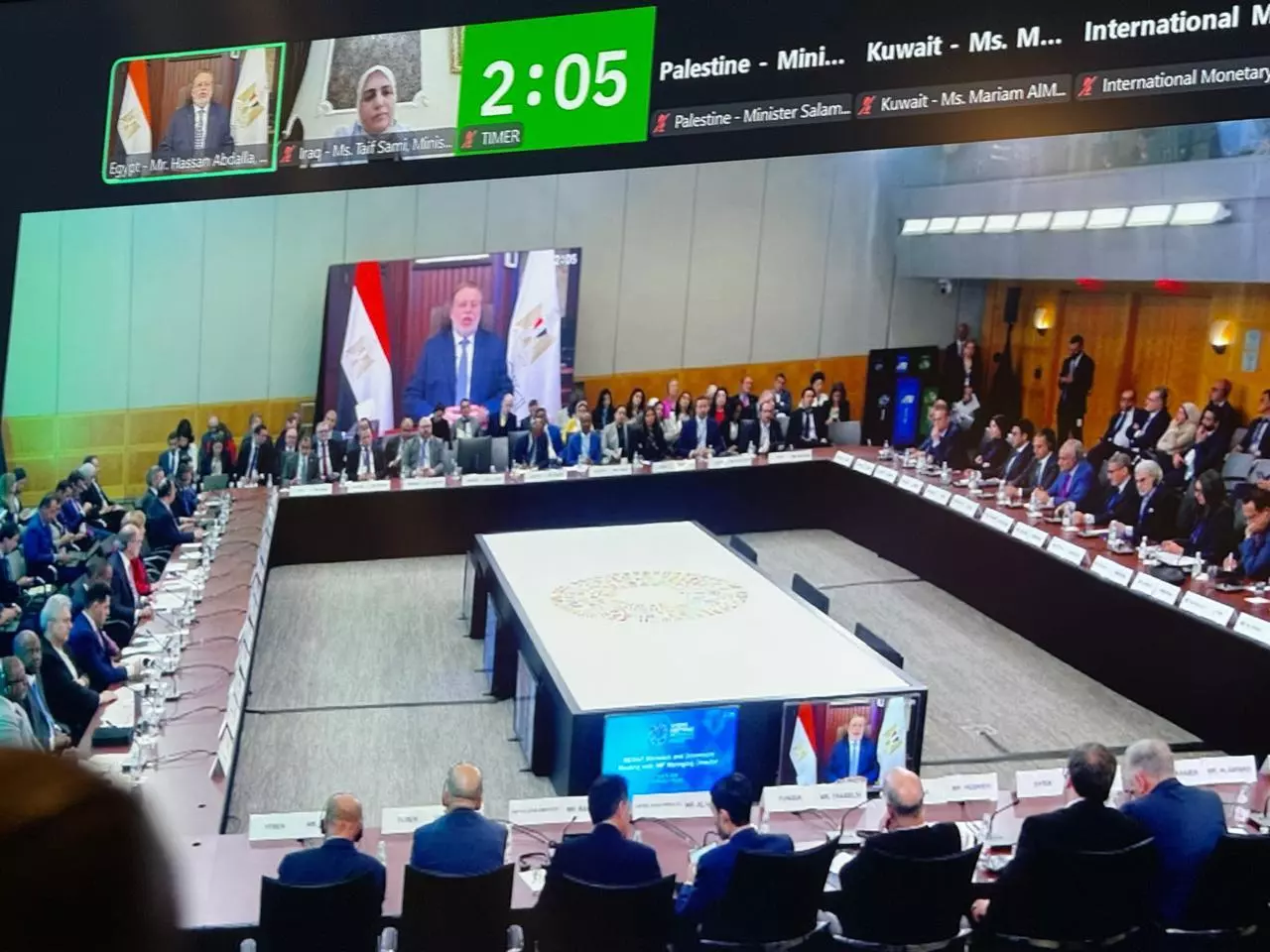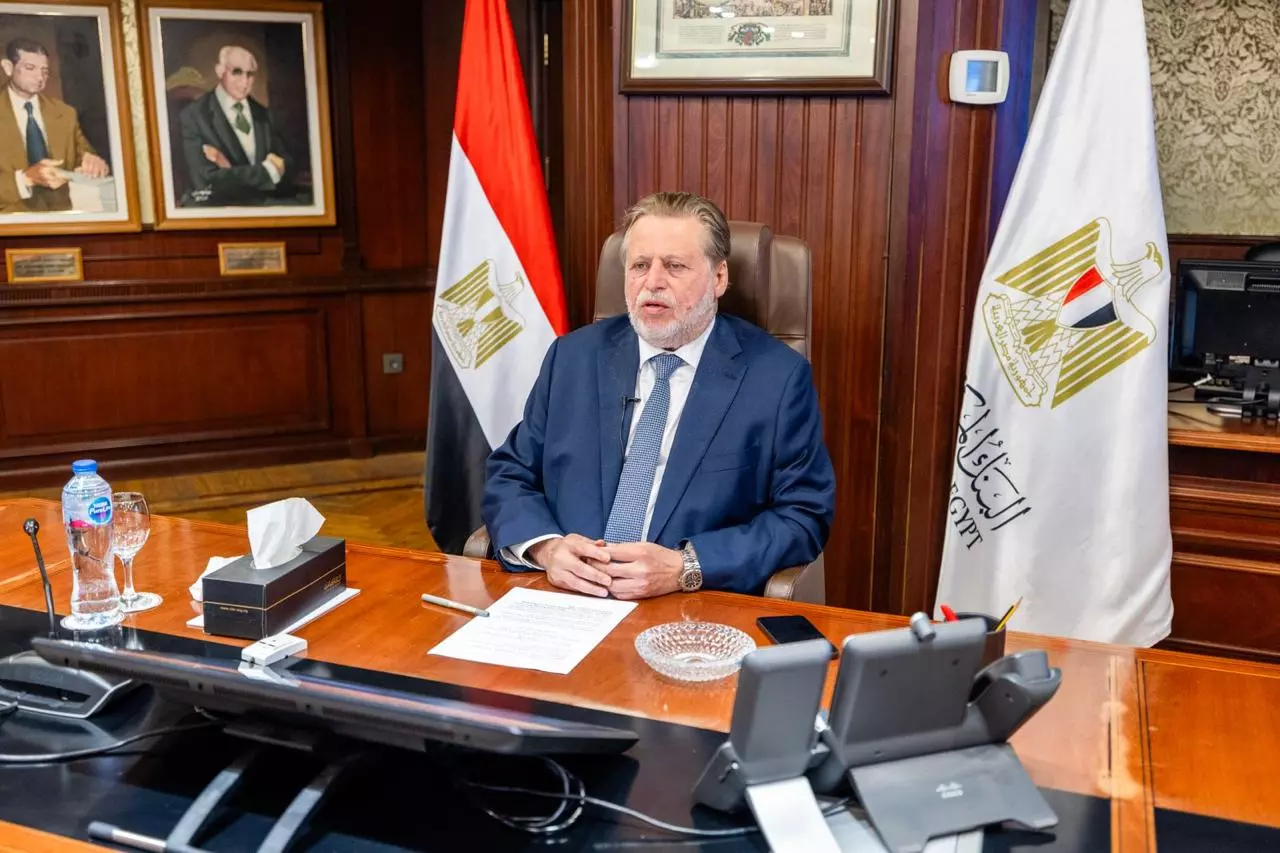
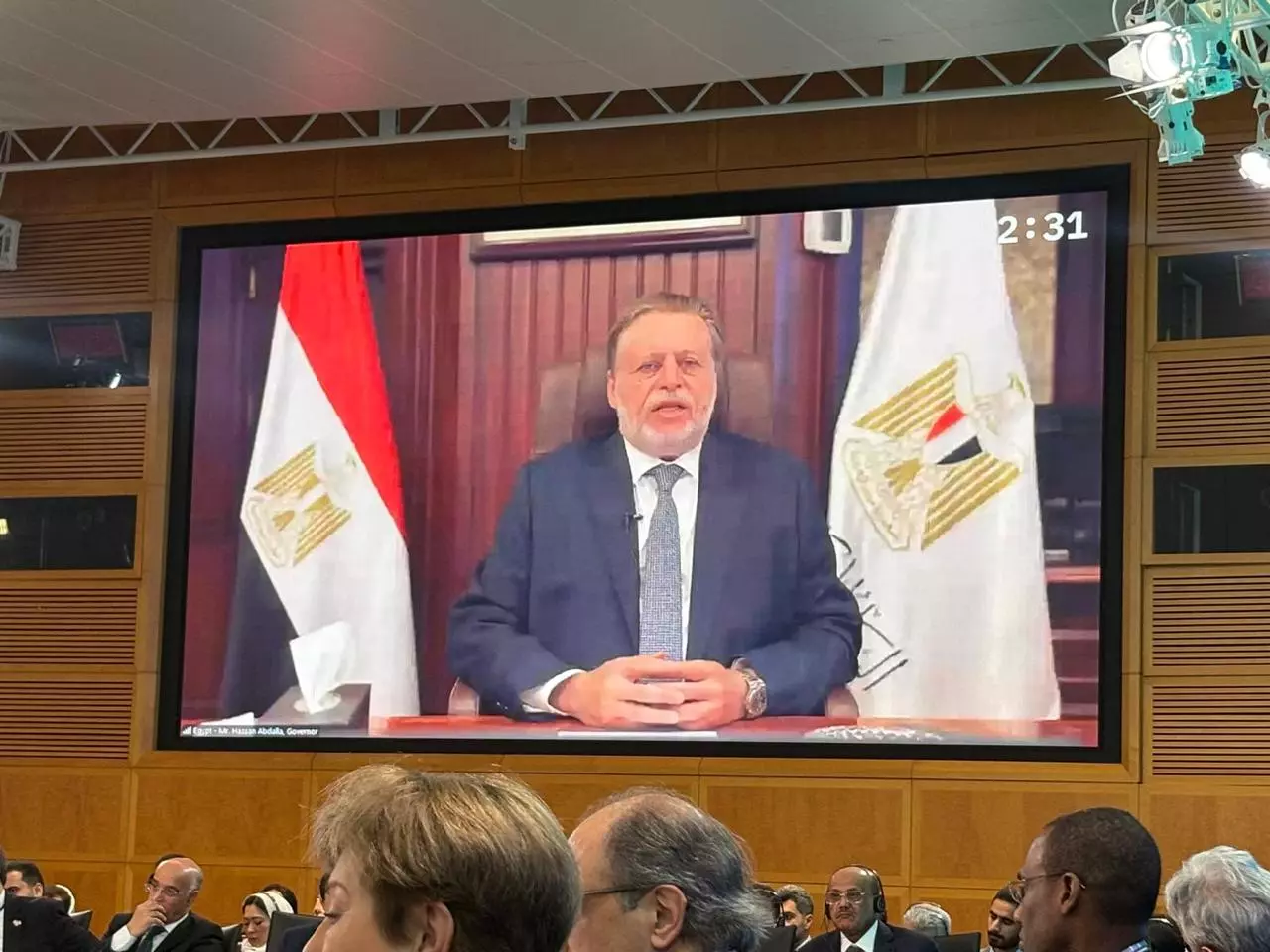
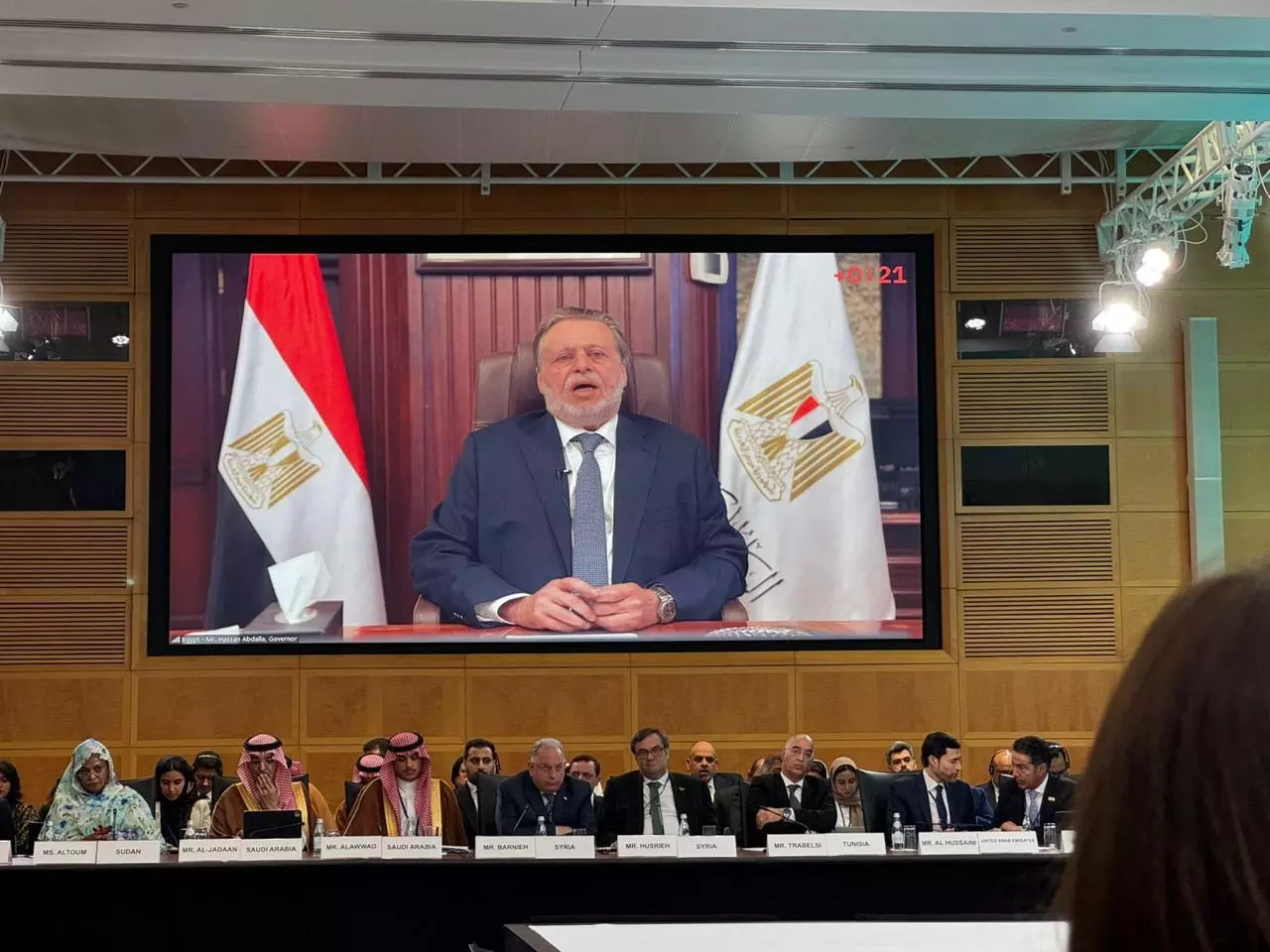
H.E. Mr. Hassan Abdalla, Governor of the Central Bank of Egypt (CBE) and Egypt’s Governor to the International Monetary Fund (IMF), participated via video conference in the Middle East, North Africa, Afghanistan, and Pakistan (MENAP) meeting of Central Bank Governors and Ministers of Finance. The session was held as part of the IMF–World Bank Spring Meetings 2026.
Egypt’s Economic Reform Program and Macroeconomic Performance
In his remarks, the CBE Governor reviewed the latest developments in the Egyptian economy and the progress achieved under the national economic reform program.
He stressed that Egypt has implemented significant structural reforms since 2024, most notably the transition to an inflation-targeting framework and the adoption of a flexible exchange rate regime as part of the Central Bank of Egypt monetary policy framework.
These reforms have contributed to a sharp decline in inflation, which fell from a peak of 38% to 11% in January 2026, reflecting improved macroeconomic stability in Egypt and stronger policy effectiveness.
Record Foreign Reserves and Strengthened External Position
The Governor highlighted that Egypt’s international reserves have reached an all-time high of approximately USD 53 billion as of March 2026.
This increase reflects stronger external sector performance and improved foreign currency inflows, reinforcing confidence in the Egyptian economy and supporting overall financial stability.
Geopolitical Tensions and Exchange Rate Flexibility
Mr. Abdalla addressed the impact of ongoing regional conflicts and geopolitical tensions on inflation dynamics, external balances, and capital flows.
He reaffirmed the Central Bank of Egypt’s commitment to maintaining a flexible exchange rate policy, allowing the Egyptian pound (EGP) to act as a shock absorber against external economic shocks.
He noted that this approach was clearly reflected in the recent recovery of the Egyptian pound, which regained around 50% of its previous losses within a short period, supported by improved economic conditions and easing geopolitical pressures.
Strengthening Economic Resilience and Inflation Control
The CBE Governor emphasized that these developments highlight the increased resilience of the Egyptian economy and the strong confidence in Egypt’s long-term economic reform trajectory.
He reiterated that the Central Bank of Egypt remains fully prepared to take necessary monetary policy measures to ensure that inflation expectations remain well-anchored within targeted levels.
He further stated that the Egyptian economy today is significantly more capable of absorbing external shocks compared to previous geopolitical crises, supported by ongoing structural reforms and continuous improvements in policy frameworks.
Role of International Cooperation and IMF Support
The Governor also underscored the critical importance of international cooperation and the role of global financial institutions in providing sufficient liquidity to mitigate external shocks.
He highlighted the importance of the International Monetary Fund (IMF), particularly in scenarios where external shocks persist over extended periods, emphasizing the need for coordinated global financial support.
MENAP Meeting and Regional Policy Coordination
The MENAP group serves as a key regional platform bringing together central bank governors, finance ministers, and international partners to discuss macroeconomic developments, policy coordination, and shared regional challenges.
This year’s discussions focused on the impact of geopolitical instability across the region and explored ways to enhance IMF support for member countries facing economic pressures.
CBE’s Commitment to Regional and International Engagement
The participation of the Governor in the MENAP meeting reflects the Central Bank of Egypt’s ongoing commitment to active engagement with regional and international partners.
It also highlights efforts to strengthen financial stability, enhance economic resilience, and promote sustainable growth across Egypt and the broader MENAP region.