رئيس مجلس الإدارة
سعيد اسماعيل
رئيس التحرير
مروة أبو زاهر

رئيس مجلس الإدارة
سعيد اسماعيل

رئيس التحرير
مروة أبو زاهر

Central Bank of Egypt Participates in the 12th Edition of the Digital Payments, Financial Inclusion, a

In line with its progressive efforts to promote digital transformation and financial inclusion within the banking sector, and to align with international best practices in the Artificial Intelligence (AI) technologies, the Central Bank of Egypt (CBE) is participating in the 12th edition of the Digital Payment, Financial Inclusion, and Digital Banking (PAFIX) International Conference and Exhibition. Held under the auspices of the CBE, PAFIX will take place in parallel with the “Cairo ICT” Fair and Forum from November 16 to 19, 2025.

Central Bank of Egypt


In this regard, H.E. Mr. Hassan Abdalla, Governor of the CBE, highlighted that the CBE is keen to participate in this annual event, recognizing it as a distinguished platform for exchanging views and insights on digital transformation in financial and banking services, which comes at the forefront of Egypt’s priorities.

Mr. Abdalla further emphasized that the CBE is committed to keeping pace with the latest technological developments, particularly in the areas of FinTech and AI innovations. He also underscored the CBE’s efforts to advance and harness digital payment systems and services that provide convenient and swift banking services to citizens, while adhering to best international standards that ensure the safeguarding of all financial transactions.

During the official opening of the Cairo ICT, H.E. Dr. Mostafa Madbouly, the Prime Minister, visited the CBE’s pavilion, where he was briefed on the CBE’s key strategic projects and initiatives in the industries of AI technologies, FinTech, and electronic payment systems and services, as well as their role in enhancing financial services and promoting financial inclusion.


A detailed presentation was provided on the services that will be availed through the “Digital Financial Identity” platform (Haweya), along with a demonstration of the remote customer identification process for opening bank accounts.  Notably, this platform enables banks and financial service providers to conduct electronic Know Your Customer (e-KYC) verification, and allows the customers to open bank accounts and access digital services securely and swiftly, without the need to visit banks’ branches.

The CBE’s pavilion at this year’s edition features various activations and events, including an educational showcase on the historical evolution of financial transactions over time. It also hosts a series of panel discussions, with the participation of representatives from banks, FinTech companies, and entrepreneurs, on the future of digital transformation and the latest trends in FinTech. Additionally, special interactive activations are taking place in the pavilion’s “InstaPay” designated area.


Senior officials from the CBE are scheduled to participate on Monday and Tuesday in the conference sessions, which cover various key topics and critical issues, including unprecedented global shifts in the banking industry as well as the profound impact of emerging technological solutions – particularly AI technologies – on the roles, systems, and infrastructure governing this sector and its related services.


The sessions will be attended by a distinguished group of banks’ heads and executives, officials from entities and institutions specializing in FinTech and digital payments, in addition to international experts and analysts engaged with the latest developments in FinTech innovations, electronic payment systems, and financial inclusion.

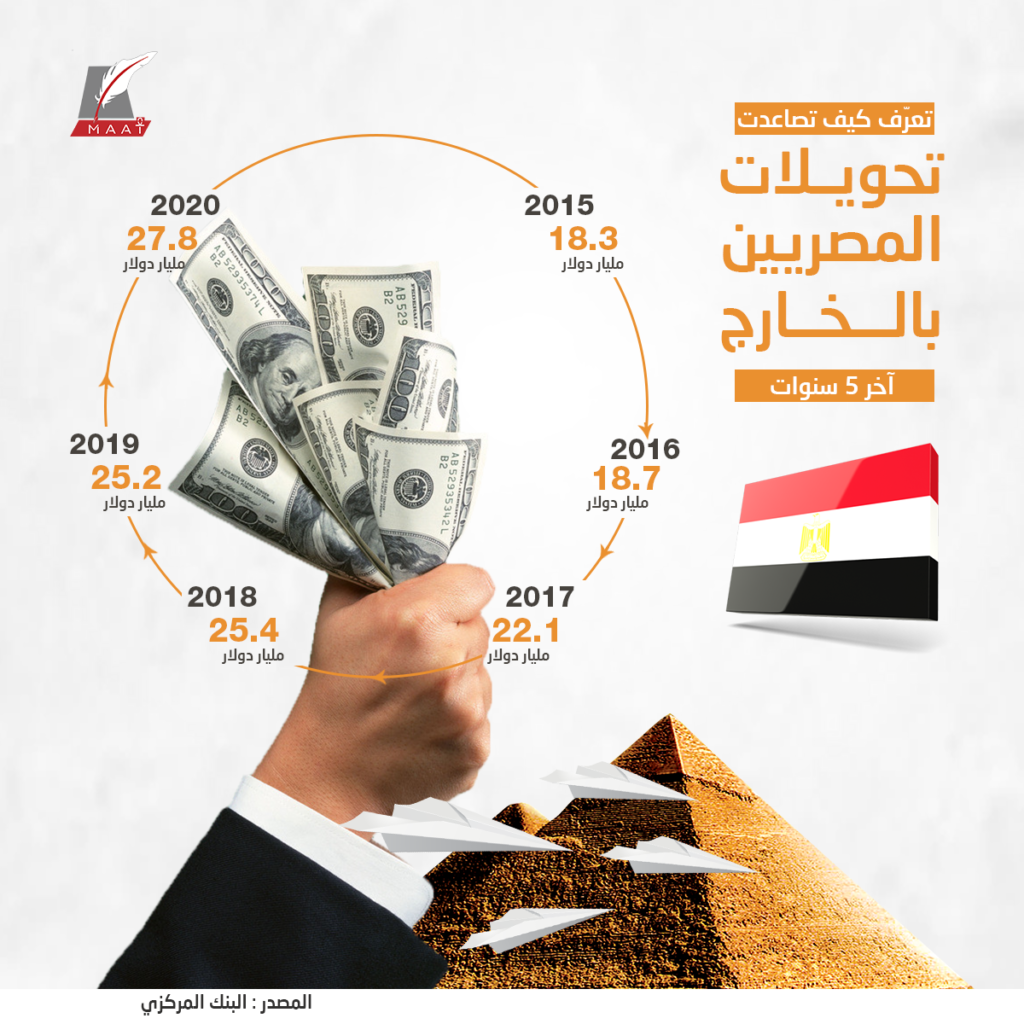
Egyptian Workers Abroad Boost Remittances by 47.2% to Record USD 26.6 Billion

Record Growth in Remittances from Egyptians Abroad

Remittances from Egyptian Workers abroad witnessed a remarkable upswing during

the first eight months of 2025, increasing by 47.2% compared to the same period in 2024

According to official data, total inflows reached USD 26.6 billion, up from USD 18.1 billion

a year earlier  marking one of the highest levels in recent years

This surge reflects growing confidence in the Egyptian economy, improved financial stability

and the Central Bank of Egypt’s continuous efforts to streamline money transfer channels and

attract more foreign currency inflows through the official banking system

Strong Monthly Performance in August 2025

On a monthly basis, Egyptian remittances in August 2025 jumped by 32.6%, reaching

Central Bank Egyptian Workers USD 3.5 billion, compared to USD 2.6 billion in August 2024

The consistent monthly growth highlights the resilience of remittance inflows and their

vital role in supporting foreign currency reserves and economic stability in Egypt

Egyptian Workers: The Economic Importance of Remittances

Remittances from Egyptians abroad remain one of Egypt’s most crucial sources of foreign

exchange earnings, helping strengthen the balance of payments and ensuring the availability

of hard currency to finance essential imports

In addition, remittances contribute significantly to household income, supporting millions of

Egyptian families, while also boosting consumption and overall economic growth

The steady expansion in digital banking and fintech solutions has also facilitated smoother

faster, and more secure money transfers, reducing reliance on informal channels

Egyptian Workers: Outlook for Continued Growth

Economic analysts anticipate that remittances will continue to grow during the remainder

of 2025, supported by a stable exchange rate, rising trust in Egypt’s banking sector, and

the expanding presence of Egyptians in international labor markets

The strong performance of remittances from Egyptians abroad underscores their central

role in sustaining Egypt’s economic stability and boosting foreign currency reserves, positioning

them as a key driver of financial resilience throughout 2025

Central Bank of Egypt and Chinese Regulator Ink MoU on Financial Sector Cooperation

As part of the ongoing efforts to deepen strategic bilateral relations

between the Arab Republic of Egypt and the People’s Republic of China

the Central Bank of Egypt (CBE) hosted a high-level Chinese delegation led

by Mr FU Wanjun, Vice Minister of the China National Financial Regulatory

Administration (NFRA), during an official visit to Cairo

Mr Tarek ElKholy, Deputy Governor of the Central Bank of Egypt, welcomed

the delegation at the CBE headquarters, where both sides held in-depth

discussions on strengthening regulatory cooperation in the banking sector

enhancing cross-border supervision, and developing robust channels for

knowledge sharing and technical collaboration

MoU Signed to Facilitate Licensing, Cross-Border Supervision, and Exchange of Information

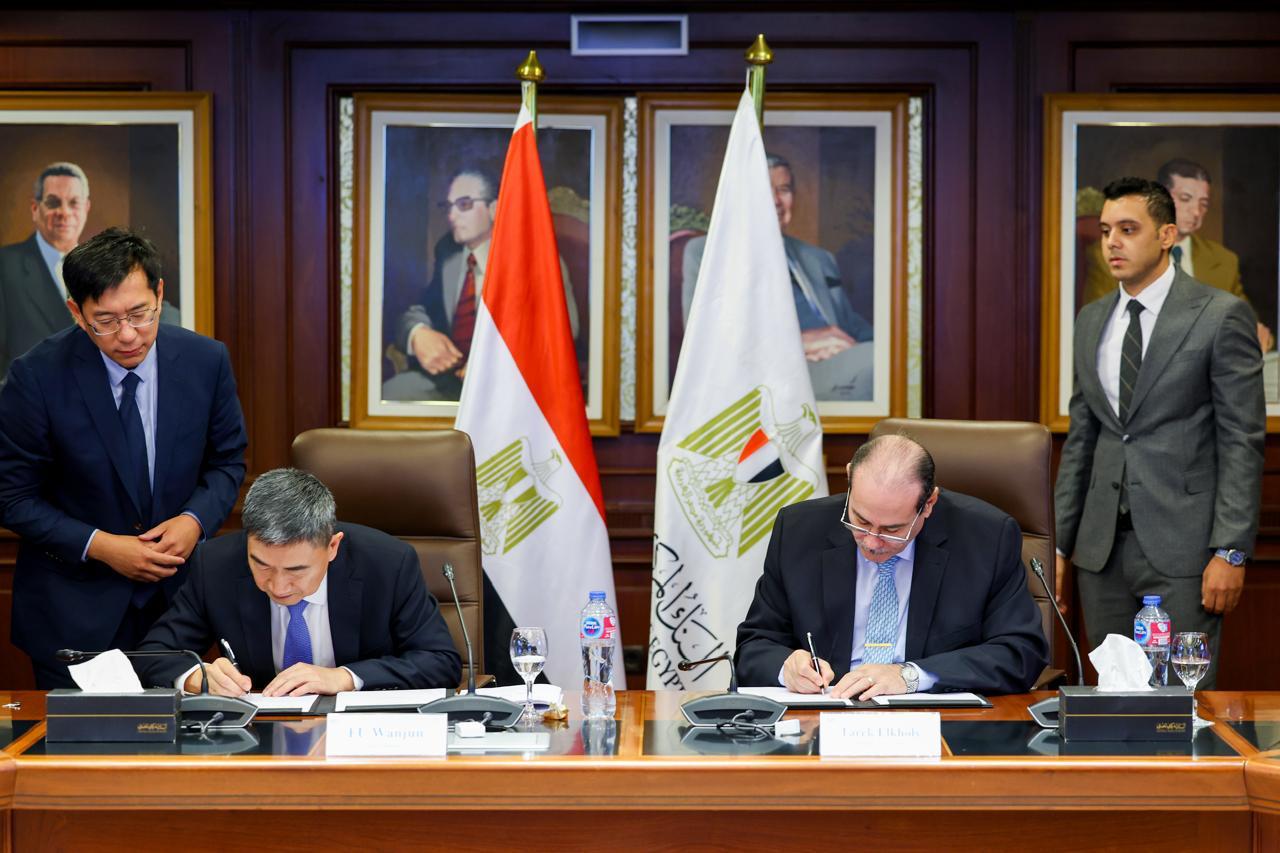
 Central Bank The meeting culminated in the signing of a Memorandum of Understanding (MoU)

between the CBE and NFRA, aimed at bolstering joint financial regulatory efforts

The MoU includes provisions for

Licensing coordination for banks and financial institutions operating in either country

Supervisory cooperation regarding cross-border banking activities

Exchange of supervisory information to promote financial system safety and stability

Technical training and capacity building in the area of banking supervision

The agreement aligns with the legal and regulatory frameworks of both countries

and reinforces their mutual commitment to regulatory transparency, effective supervision

and the stability of financial institutions

Commitment to Modernizing Supervision Through AI and Regulatory Innovation

Deputy Governor Tarek ElKholy highlighted the importance of the visit and expressed

appreciation for the strong cooperation between Egypt and China. He emphasized that

the MoU presents a valuable opportunity to expand financial collaboration and regulatory

harmonization, particularly in The use of advanced technologies and artificial intelligence

in banking supervision

Policy dialogue on regulatory reforms and updates

Ensuring financial stability through collaborative oversight of regulated institutions

He also reaffirmed the CBE’s commitment to building long-term partnerships with international

regulatory counterparts to support a more resilient and innovative banking sector

 Central Bank : The MoU Marks a Milestone in Financial Regulatory Cooperation

 Central Bank Speaking during the event, Mr FU Wanjun, Vice Minister of NFRA, expressed his

appreciation for the hospitality and the shared vision between both institutions

He praised the efforts made to strengthen bilateral cooperation and stated that the

MoU represents a key milestone in

Institutionalizing regulatory dialogue between the CBE and NFRA

Sharing best practices in financial regulation and risk management

Building a foundation for future collaboration in areas of mutual strategic interest

He concluded by emphasizing that this agreement lays the groundwork for sustained regulatory

coordination, especially as both nations continue to modernize their financial systems and adapt

to emerging global challenges

Egypt and China Deepen Central Bank Cooperation with Strategic MoUs to Boost Financial Integration and Digital Payments

In a significant move to enhance financial cooperation between Egypt and China, H.E. Mr. Hassan Abdalla, Governor of the Central Bank of Egypt (CBE), hosted H.E. Mr. Pan Gongsheng, Governor of the People’s Bank of China (PBOC), and his delegation during an official visit to Cairo. The meeting, held at the CBE headquarters, underscored the strategic and historic relations between the Arab Republic of Egypt and the People’s Republic of China, and aimed to explore mechanisms for deeper central bank collaboration and exchange of technical expertise in the financial sector.

Governor Abdalla welcomed his Chinese counterpart, affirming that the visit reflects the long-standing bilateral ties and provides an essential platform to expand banking cooperation and foster economic stability and sustainable development in both nations.

Strengthening Currency and Banking Ties

During the meeting, both governors discussed critical areas of mutual interest, including the local currency swap agreement, the settlement of payments in local currency, the issuance of Panda Bonds, and linking national payment systems.

Discussions also highlighted the importance of increasing the presence of Chinese and Egyptian banks in each other’s markets and encouraging greater bilateral investment flows.

Signing of Three Strategic Memoranda of Understanding

:The visit culminated in the signing of three Memoranda of Understanding (MoUs) aimed at strengthening joint financial cooperation

:Yuan Promotion in the Suez Economic Zone

An MoU was signed between Suez Canal Bank, China-Africa TEDA Investment Company, and CIPS Company Limited—the operational body of China’s Cross-border Interbank Payment System (CIPS).

This agreement supports the use of the Chinese Yuan (RMB) in the China-Egypt Suez Economic and Trade Cooperation Zone, advancing currency diversification and trade facilitation.

:Expansion of UnionPay in Egypt’s Payment Landscape

UnionPay International, a leading Chinese electronic payments provider, signed an MoU with the Egyptian Banks Company for Technological Advancement (EBC) to bolster Egypt’s electronic payment infrastructure.

The agreement aims to expand the acceptance of UnionPay cards across Egyptian POS terminals and e-commerce platforms.

:UnionPay-Paymob Digital Payment Protocol

A cooperation protocol between UnionPay and Paymob, a prominent Egyptian fintech company, was also signed to promote e-payment acceptance among businesses and digital merchants in Egypt.

Advancing Digital Finance and Economic Integration

These partnerships reaffirm the shared commitment of Egypt and China to enhance their strategic financial partnership, strengthen digital payment systems, and support regional economic integration. By fostering collaboration in financial services, the two nations are paving the way for improved trade relations, investment flows, and progress toward sustainable development goals (SDGs).

Central Bank of Egypt Raises Daily Cash Withdrawal Limit to EGP 500,000 Temporarily Amid System Issues

Central Bank of Egypt Announces Temporary Withdrawal Increase

In response to ongoing technical disruptions affecting banking communication systems, the Central Bank of Egypt (CBE) has officially announced a temporary increase in the daily maximum cash withdrawal limit for both individuals and businesses.

The new cap has been raised to EGP 500,000, up from the previous EGP 250,000, and will remain in effect until communication systems are fully restored.

Objective: Maintaining Service Continuity

The CBE clarified that this measure aims to facilitate customer needs and ensure continued access to banking services during the temporary disruption. The increase applies exclusively to cash withdrawals from bank branches in local currency.

CBE Reassures Public Amid Technical Disruption

The Central Bank emphasized that all necessary steps are being taken to restore full system functionality as quickly as possible, while continuing to prioritize customer convenience and financial stability.

Banks to Continue Operations Under Revised Limits

All Egyptian banks have been notified to implement the updated limit immediately, allowing clients to access their funds without unnecessary delays.

How to File a Bank Complaint with the Central Bank of Egypt..Easy Steps to Protect Your Rights

The Central Bank of Egypt has released a clear and simple guide, including a video and infographics,

explaining the steps customers of the banking sector should follow to file a bank complaint and

ensure their rights are protected.

This initiative reflects the Central Bank’s commitment to transparency and consumer protection

in the banking industry.

 the Central Bank of Egypt

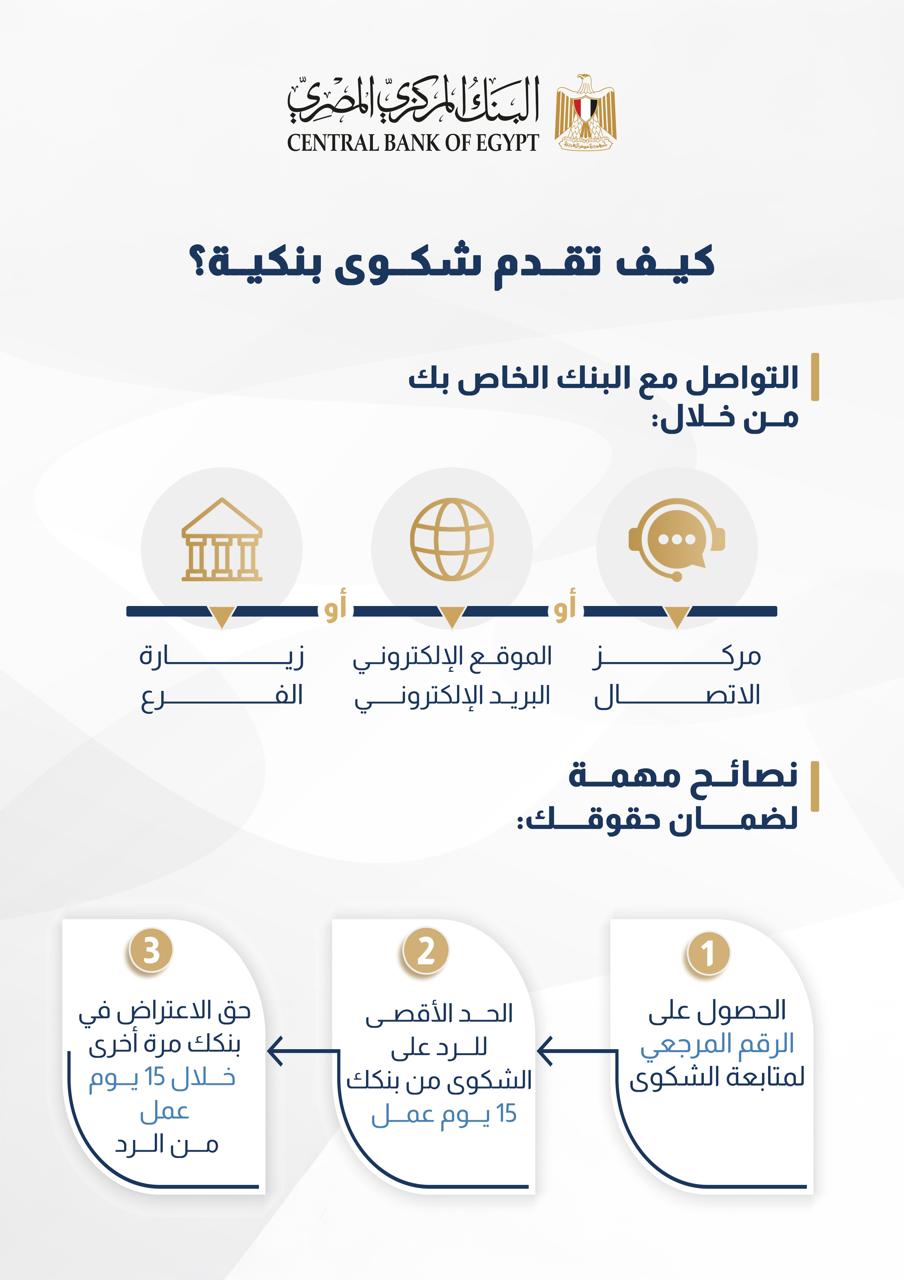
Steps to File a Bank Complaint with Your Bank

Customers can contact their bank through the following channels:

Bank’s call center

Bank’s website or email

Visiting the bank branch in person

Important Tips to Follow

Obtain a reference number for your complaint to track its progress easily.

The bank must respond to your complaint within a maximum of 15 working days.

You have the right to appeal the bank’s response within 15 days if you are unsatisfied with the resolution.

Escalating the Complaint to the Central Bank of Egypt

If the issue remains unresolved or the solution is unsatisfactory, customers can escalate their complaint to

the Central Bank by:

Visiting the Central Bank’s branch in person

Or submitting the complaint through the official Central Bank website: www.cbe.org.eg

Required Documents for Filing a Complaint with the Central Bank

The reference number of the complaint submitted to the bank

Customer’s national ID card

In case of an agency, the original power of attorney or authorization

For companies, the commercial registration along with the authorized signatory’s details

Why Filing Bank Complaints Matters

Through these steps, the Central Bank of Egypt empowers customers to safeguard their rights

and ensures fair and transparent resolution of banking issues.

It emphasizes the importance of following up on complaints and obtaining clear

responses within the specified timeframe, with an effective escalation mechanism to uphold customer rights.

Central Bank of Egypt and “Hayah Karima” Foundation Sign MoU to Foster Sustainable Social Development and Promote Volunteering Culture

The Central Bank of Egypt (CBE) signed a Memorandum of Understanding (MoU) with “Hayah Karima” Foundation to boost volunteering efforts that support sustainable social development projects and promote economic empowerment for the most vulnerable segments of society across various governorates.

Central Bank of Egypt

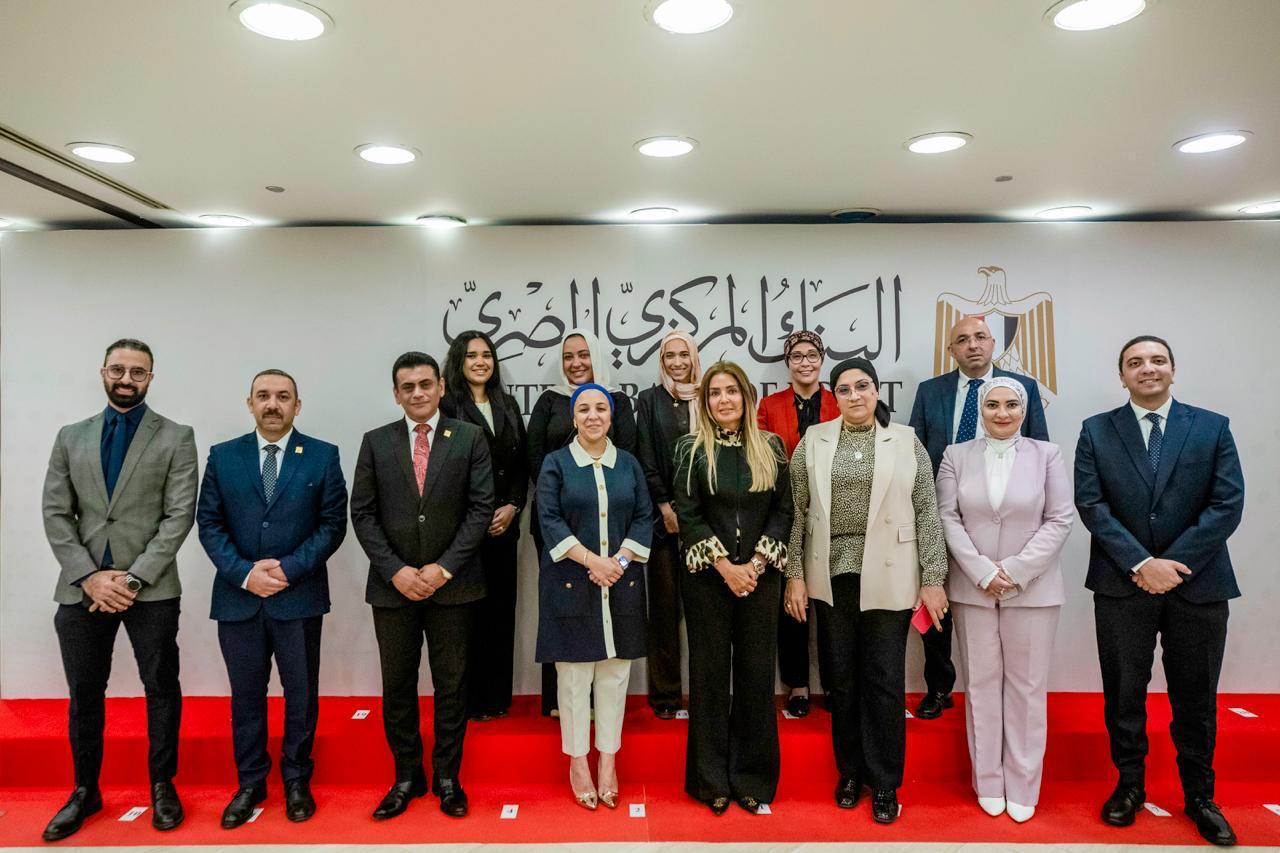
The MoU was signed by Ms. Ghada Tawfik, Sub-Governor of the CBE for Corporate Social Responsibility, and Ms. Ohoud Wafi, Chairperson of “Hayah Karima” Foundation’s Board of Trustees, at the premises of the CBE.


This comes in light of the CBE’s unwavering commitment to advancing society and strengthening partnerships with relevant stakeholders to enhance citizens’ welfare. Under the MoU, efforts will be coordinated to implement integrated social development initiatives, aiming to improve living conditions and achieve Egypt’s Vision 2030.


In this regard, the CBE will actively engage in volunteering activities organized by the Foundation through its employees, supporting initiatives of mutual interest.


This approach aligns with the objectives of volunteering, which aim to empower individuals to actively participate in development, strengthen social equality, foster solidarity among segments of society, and promote values of compassion, commitment, and responsibility.


It also underscores the significance of this partnership as a foundation for an integrated model that simultaneously combines social development with the optimal use of human resources, reflecting the capacity of national institutions to create a meaningful and sustainable impact on citizens’ lives.


In the same context, the CBE launched a parallel initiative, “Together We Make an Impact,” to deepen the concept of institutional volunteering within the banking sector, recognizing it as a cornerstone of sustainable social development.

The initiative aims to promote a culture of volunteerism among banking sector employees, and to channel their potentials into effective tools that create a tangible impact on societal development and progress.

CBE Extends Compliance Deadline for Auditors and Accounting Firms to Register

Six-Month Extension Granted for CBE Register Compliance

The Central Bank of Egypt (CBE) has announced a six-month extension to the grace period for auditors and affiliated accounting firms to complete their registration in the CBE’s official register. The new deadline is set for November 20, 2025, extending the original compliance deadline of May 20, 2025.

Regulatory Framework for Auditor Registration

This decision aligns with the existing regulations and procedures for the registration and delisting of auditors and accounting firms within the Central Bank’s oversight framework. The extension is intended to provide more time for firms to meet the required standards and ensure full regulatory alignment.

Supporting Transparency and Financial Integrity

By extending the compliance period, the Central Bank reinforces its commitment to transparency, accountability, and sound financial governance in the Egyptian banking and auditing sectors. This move is expected to support the continued professional integrity of the financial reporting ecosystem.

Governor of the Central Bank of Egypt Meets with the Chairman of the Alliance for Financial Inclusion

Governor of the Central Bank of Egypt Meets with the Chairman of the Alliance for Financial Inclusion

Mr. Hassan Abdalla, Governor of the Central Bank of Egypt (CBE), welcomed Dr. Alfred Hannig, Chief Executive Officer of the Alliance for Financial Inclusion (AFI), on Monday, 7th of April, 2025, in the presence of a number of CBE’s officials.

Central Bank of Egypt

The Governor commenced the meeting by expressing his appreciation for the fruitful cooperation between the CBE and the Alliance for Financial Inclusion, through availing access to learn from the international best practices in the field of financial inclusion, and supports the exchange of scientific expertise with central banks and relevant regulatory authorities in member states.


محافظ البنك المركزي

Mr. Abdalla also showcased the strides achieved by the CBE, in cooperation with the banking sector and relevant

ministries and authorities, in line with the Egyptian state’s vision to achieve economic empowerment for all segments of society, especially women, youth, Persons with Disabilities (PWD’s), Micro, Small and Medium Enterprises and entrepreneurs.


These achievements were built up on the foundation of an accommodating legislative and regulatory ecosystem, and the launch of incentive initiatives, which contributed to increasing financial inclusion rates in Egypt to reach 74.8% by the end of 2024.


For his part, Dr. Hannig, Chief Executive Officer of the Alliance for Financial Inclusion (AFI) commended Egypt’s pioneering experience as a front runner in financial inclusion and sustainable finance, acknowledging its advancements in this field as a role model. He stated that AFI is actively collaborating with the CBE to extend this expertise to various countries through facilitating peer to peer knowledge exchange to benefit from the CBE’s efforts in this regard.


Worth mentioning, in 2013, the CBE joined AFI, which was established in 2009. The Alliance comprises over 90 financial institutions, central banks, and regulatory bodies from 83 countries. AFI aims to develop the tools utilized to promote financial inclusion, exchange technical and practical experiences between countries, and assist members in the formulation and implementation of economic policies and reform strategies.

The Main Banking Services Available to the public at Branches of the Central Bank of Egypt

Central Bank of Egypt Launches Annual Women Financial Inclusion Event

As part of the Central Bank of Egypt’s (CBE) commitment to increasing women’s financial inclusion rates and encouraging their use of formal financial services, the CBE launched the “Women Financial Inclusion Event”, which annually kicks off on the 8th of March, coinciding with International Women’s Day and continues till the end of the month.

The CBE revealed that the “Women Financial Inclusion Event”, launched in 2019, has contributed to availing nearly 1.4 million financial products to women by March 2024. This includes the opening of 664,000 bank accounts and 196,000 e-wallets, as well as issuing 530,000 prepaid cards.

The event comes in line with the CBE’s efforts to promote women’s financial inclusion, yielding tangible progress in the financial inclusion rate of women, which reached 68.8% by the end of December 2024, reflecting a 295% growth rate compared to 2016.

As a result, around 23.3 million women, out of a total of 33.9 million women aged 15 and above, currently have access to financial services and own transaction accounts.

This progress was driven by the Central Bank of Egypt’s Financial Inclusion Strategy 2022-2025, aimed at promoting financial inclusion across all segments of society, with women at the forefront.

The Strategy is founded on several pillars, including the development of women-supportive legal and regulatory environment, the launch of stimulating initiatives and projects in collaboration with ministries, relevant authorities, and international institutions, as well as guiding banks to offer financial products that meet women’s needs.

Additionally, it emphasizes the importance of spreading financial literacy – a key pillar of the Financial Inclusion Strategy -, as it plays a critical role in raising financial awareness and enabling women to make sound financial decisions.

Several regulations have been issued to foster supportive legislative and regulatory environment to facilitate women’s access to banking services and products. Notably, these regulations include guidelines for financial inclusion products and services that simplify due diligence procedures for individuals and economic activities.

This allows customers, particularly women, to open accounts using only their National IDs for personal or business purposes, without requiring any additional documents.

This initiative aims to assist housewives, micro-entrepreneurs, and craftspeople, while also enabling women to open accounts for their minor children, addressing barriers that women encounter when engaging with the banking sector, especially divorced or widowed mothers.

Within its ongoing efforts to promote women’s economic empowerment and provide suitable financial services and products, the Central Bank of Egypt has trained bank employees in customer segmentation and retail products departments, in collaboration with international organizations (such as the OECD and Women’s World Banking)

, as this training aimed to encourage them to thoroughly assess women’s financial needs. As a result, banks are already issuing and developing tailored financial packages for women within the banking sector that cater to their specific requirements.

In light of Fintech’s role in boosting women’s financial inclusion and facilitating their access to financial services, especially in remote areas, the CBE has sponsored the Digital Saving and Lending Groups Project “Tahwisha.”

This project aims to incentivize women in Egypt’s rural areas and countryside to motivate them to save, and apply for loans to open small and micro-enterprises. As of December 2024, the number of women participating in Tahwisha’s electronic application reached approximately 246,400.

Furthermore, around 209,000 women within savings groups and 102,500 women outside these groups have benefited from financial literacy and awareness campaigns.

As part of promoting digital transformation and integrating women into the formal financial sector, the Central Bank of Egypt launched the “Digitization of International Remittances Project” for Egyptians working abroad.

The project aims to provide banking products to remittance recipients, around 1.5 million of whom are women, representing about 85% of total beneficiaries.

The CBE also participates in the Women’s Economic and Social Empowerment Program (WESEP), which is implemented in collaboration with the United States Agency for International Development (USAID) and executed by “Pathfinder”.

Central Bank of Egypt to Learn from its Pioneering Cybersecurity Experience in the Financial and Banking Sectors

Central Bank of Egypt to Learn from its Pioneering Cybersecurity Experience in the Financial and Banking Sectors

In light of Egypt’s commitment to strengthening cooperation with African states, the Central Bank of Egypt (CBE) hosted a specialized technical team in the field of cybersecurity from Bank of Tanzania (BoT). The visit aimed at offering insights into the Egyptian pioneering cybersecurity experience in the financial and banking sectors, especially Egypt’s Financial Computing Incident Response Team (EG-FinCIRT), which stands as a pioneering and distinguished model in the field of cybersecurity across Africa and the Middle East.


Central Bank of Egypt

During their 3-day visit, the Tanzanian team responsible for Financial Sector Computer Emergency Response Center (TZ-FinCERT) received a comprehensive overview of EG-FinCIRT’s activities and services, along with the incident response mechanisms implemented for managing cyber threats. The visit aimed to benefit from the Egyptian experience to build and enhance technical capacities of the TZ-FinCERT, in addition to empowering collaboration between both parties in the field of cybersecurity.


Dr. Sherif Hazem, the CBE’s Sub-Governor for Cybersecurity Sector, emphasized, “The visits of specialized cybersecurity delegations from foreign central banks, particularly from African countries, reflect the prominent position the CBE has attained in this field. This standing is manifested in the establishment and operation of the region’s first sectorial CERT, in alignment to the evolving global threats facing digital infrastructure”.


Dr. Ibrahim Mostafa, Assistant Sub-Governor of the CBE and Director of EG-FinCIRT, highlighted, “The exchange of expertise and the fostering of cooperation among response teams from various central banks have become a critical priority in light of the significant advancements in Cyber-attacks, and the expansion in the use of digital financial technology. We are keen to enhance coordination and cooperation with Incident Response Teams around the world, especially African, Arab and Islamic countries”.


Notably, the Tanzanian delegation’s visit is part of an ongoing series of visits from African countries to strengthen cooperation and exchange expertise with the CBE in the field of cybersecurity. During the visit, Tanzanian delegation was briefed on Egypt’s steadfast efforts to enhance cybersecurity at CBE and across the banking sector. This includes the issuance and circulation of Egypt’s first edition “Financial Cybersecurity Framework,” as well as assessing the readiness of banks and financial institutions operating within the sector to manage cybersecurity. Additionally, they gained insights into the inspection, auditing, and approval processes of all digital solutions and FinTech applications before issuing the required licenses and accreditations to operate in the Egyptian market.