رئيس مجلس الإدارة
سعيد اسماعيل
رئيس التحرير
مروة أبو زاهر

رئيس مجلس الإدارة
سعيد اسماعيل

رئيس التحرير
مروة أبو زاهر

Ericsson Opens New Regional Headquarters in Riyadh to Drive Digital Innovation Across MEA

Strategic Move Reinforces Ericsson’s Commitment to Saudi Arabia

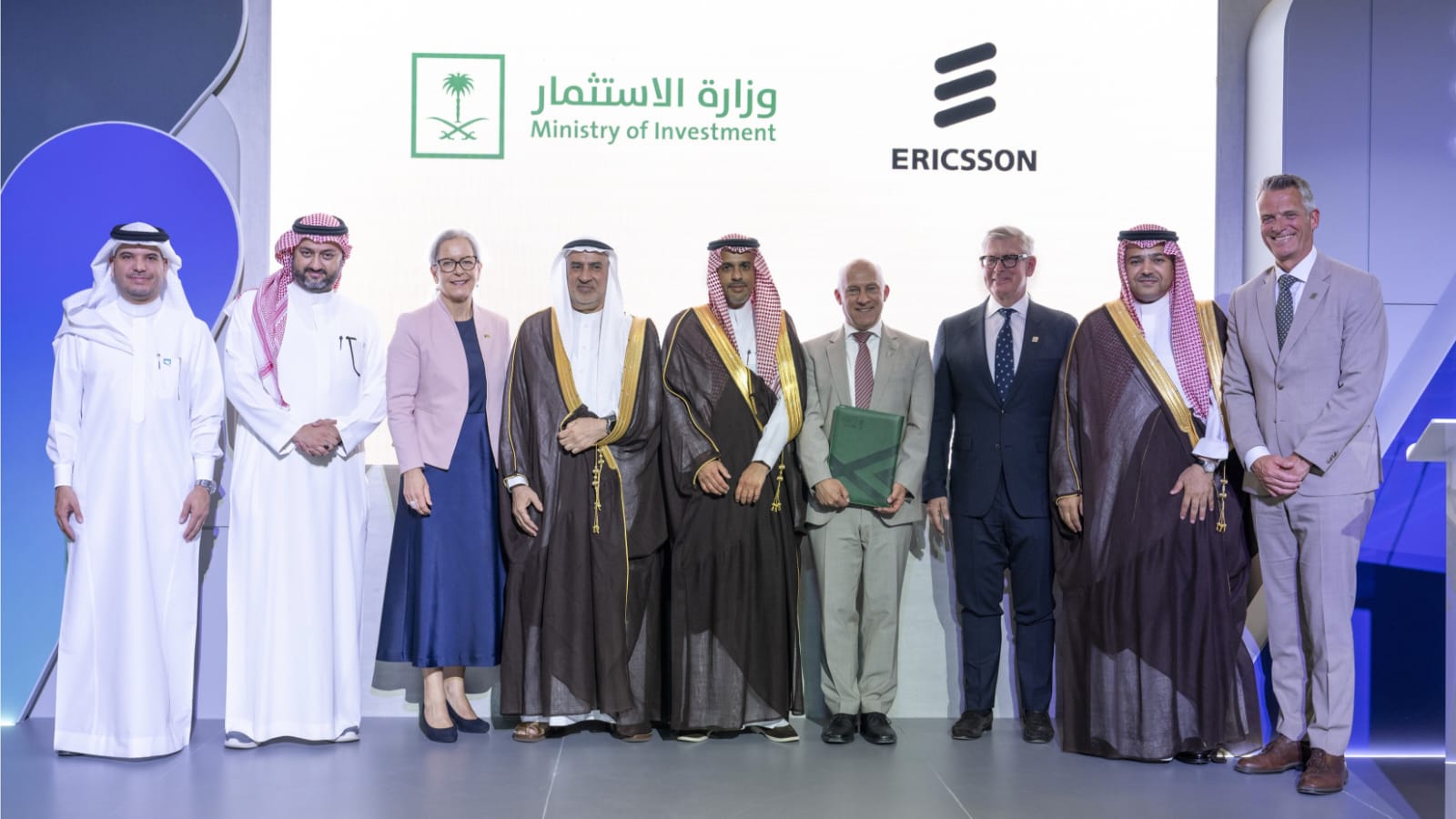
Ericsson has officially inaugurated its new regional headquarters in Riyadh, Saudi Arabia,

signaling a significant milestone in its commitment to the Kingdom and the broader Middle East

and Africa (MEA) region. The move underscores Saudi Arabia’s growing status as a tech and

innovation hub in line with Vision 2030.

High-Level Ceremony Marks New Chapter in Regional Operations

The inauguration ceremony was attended by top Saudi government officials and Ericsson leadership, including:

H.E. Eng. Haytham AlOhali, Vice Minister of Communications and Information Technology

H.E. Dr. Abdullah A. Aldubaikhi, Assistant Minister at the Ministry of Investment

H.E. Petra Menander, Swedish Ambassador to Saudi Arabia

Börje Ekholm, President & CEO, Ericsson Group

Patrick Johansson, President of Europe, Middle East and Africa, Ericsson

CEOs of stc Group and Mobily

Supporting Vision 2030 and the National Digital Economy

Officials emphasized that the new regional HQ supports Saudi Arabia’s Vision 2030 by

empowering local talent, driving innovation, and fostering sustainable, tech-led economic development.

The headquarters will act as a hub for collaboration, R&D, and digital transformation in the region.

Accelerating 5G and the Road to 6G

Discussions at the event focused on network evolution, the 6G roadmap, and Ericsson’s

role in shaping inclusive digital infrastructure. The company reaffirmed its commitment

to 5G leadership and emerging technology adoption across sectors.

Gen-E Program: Empowering Future Saudi Talent

Since 2018, Ericsson’s Gen-E Graduate Program at the Riyadh 5G Innovation Hub has

trained over 190 Saudi graduates, 50% of whom are women. The program equips youth

with expertise in 5G, IoT, and AI, contributing directly to local digital transformation.

“Blink Lab”: Advanced Connectivity for Gaming & Beyond

In partnership with King Abdulaziz City for Science and Technology (KACST), Ericsson launched

the Blink Lab—an advanced connectivity research hub focused on gaming, ultra-reliable 5G use

cases, and immersive digital experiences. The lab supports local innovation ecosystems and

global product development.

Driving Research with KAUST to Advance 5G and 6G

Ericsson also collaborates with King Abdullah University of Science and Technology (KAUST)

to accelerate 5G and 6G technologies, enhance scientific research, and nurture future talent—further

aligning with national ICT development goals.

Voices of Support: Building the Future Together

H.E. Dr. Abdullah Aldubaikhi: “This investment shows Saudi Arabia’s leadership in attracting global tech players.”

H.E. Eng. Abdulrahman AlMufadda: “The HQ cements Riyadh as a regional center for innovation.”

stc & Mobily CEOs: “Ericsson is a strategic partner in shaping the region’s digital future.”

Börje Ekholm – CEO, Ericsson: “Riyadh is now at the heart of our regional vision for digital growth.”
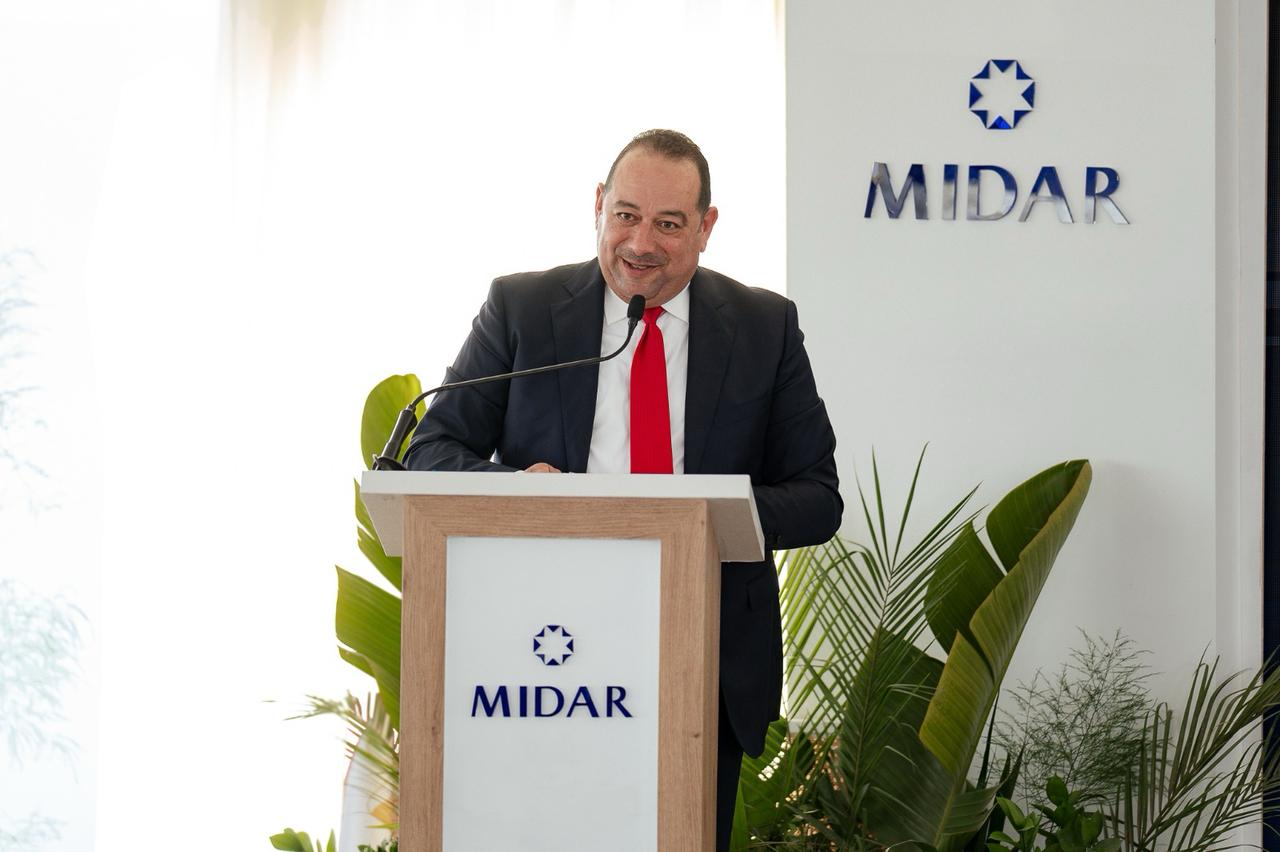
MIDAR Reports Over 500% Profit Growth in FY 2024, Driven by Strategic Developer Partnerships

Exceptional Revenue Surge Reflects Operational Momentum

MIDAR for Investment and Urban Development has announced its financial results for fiscal year 2024, reporting an impressive 584% growth in revenue. This exceptional performance comes on the back of successful strategic partnerships with top-tier real estate developers advancing key projects in MIDAR’s flagship cities, Mostakbal City and MADA in New Cairo.

Over 500% Jump in Net Profit

The company’s net operating profit soared by more than 500% compared to FY 2023, reinforcing MIDAR’s status as a premier investment partner for local, regional, and international investors aiming to develop world-class sustainable urban communities.

Elkousey: A Proven Model for Integrated City Development

Eng. Ayman Elkousey, CEO and Managing Director of MIDAR, attributed the company’s exceptional results to its strategic vision and pioneering role as Egypt’s leading master developer of sustainable integrated cities. He emphasized that the company’s financial success reflects its market leadership and investor confidence in its long-term development approach.

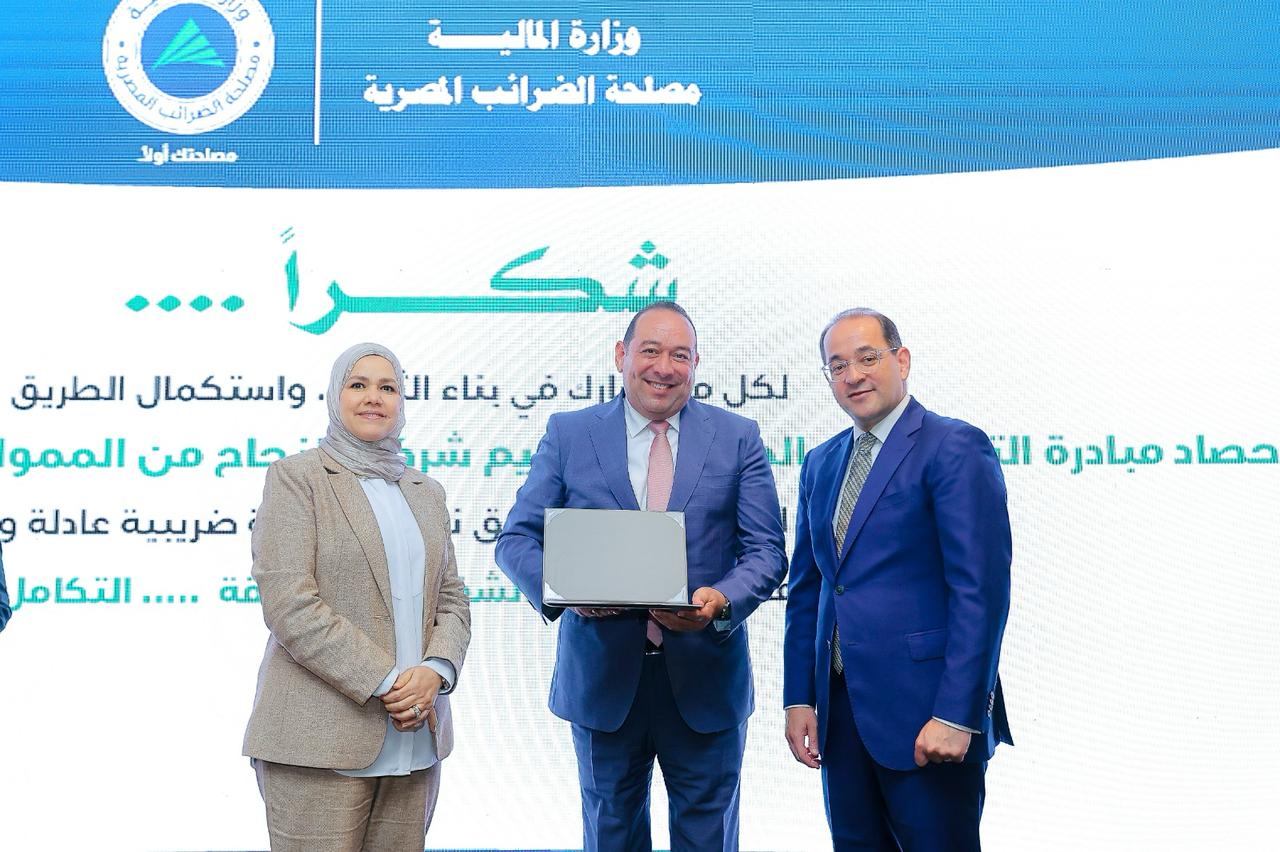
Recognized by the Ministry of Finance for Transparency

Elkousey also expressed pride in MIDAR’s recognition by the Ministry of Finance at the “Shokran” (Thank You) Conference, organized in collaboration with the Egyptian Tax Authority. This recognition affirms MIDAR’s commitment to transparency, tax compliance, and its role in supporting the government’s efforts to modernize Egypt’s financial and tax infrastructure.

Positioned for Future Growth and Partnerships

With a robust financial outlook and growing demand for modern, integrated urban projects, MIDAR remains well-positioned to attract further investment from leading real estate and entertainment developers, reinforcing its role in shaping Egypt’s urban future.

MIDAR

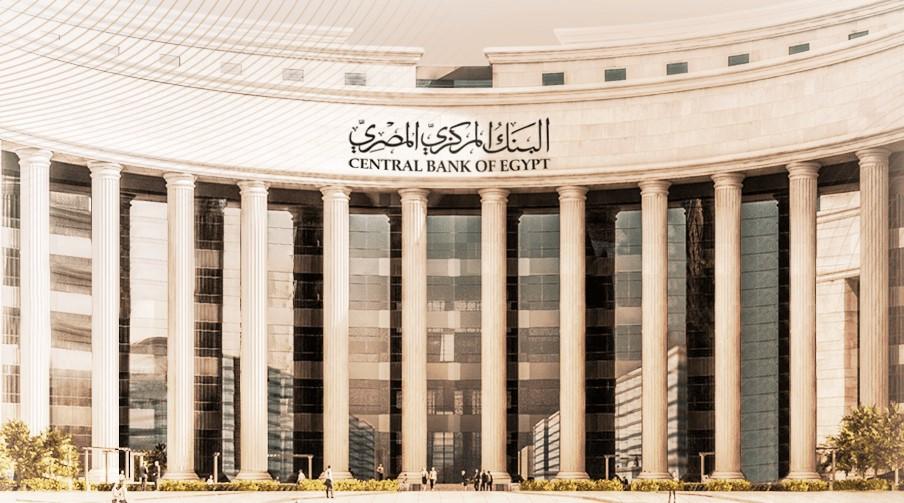
Central Bank of Egypt Issues Directive to Support Exporters’ Environmental Compliance

Promoting Sustainable Finance

The Central Bank of Egypt (CBE) has issued a new directive to local banks, urging them to support their

exporting clients in aligning with international sustainability standards, particularly in the production stages

of their goods.

This initiative is part of CBE’s broader efforts to advance sustainable finance and combat climate change.

Complying with Global Carbon Standards

The directive highlights the importance of adhering to the Carbon Border Adjustment Mechanism (CBAM), ensuring

that carbon emissions during production are in line with thresholds set by the European Union and the United Kingdom.

This alignment is crucial to facilitate uninterrupted market access for Egyptian exports.

Strengthening Financial Stability

As part of the new measures, banks are required to submit lists of their exporting clients to the CBE.

This move serves as a proactive step to enhance the resilience of

the banking sector and mitigate risks related to international carbon border policies.

Empowering Green Exports

This directive is expected to support the transition of exporting businesses toward

producing environmentally compliant goods, boosting Egypt’s competitiveness in

international markets and supporting the country’s sustainable development goals.

A Strategic Step for Export Growth

By aligning with international environmental requirements, Egyptian exporters will be

better positioned to expand into global markets, contributing to national efforts to

increase exports and foster inclusive economic growth.

Central Bank of Egypt Hosts Regional Training on Micro and Macro Stress Testing for COMESA Central Banks

CBE Leads African Integration with Stress Testing Training

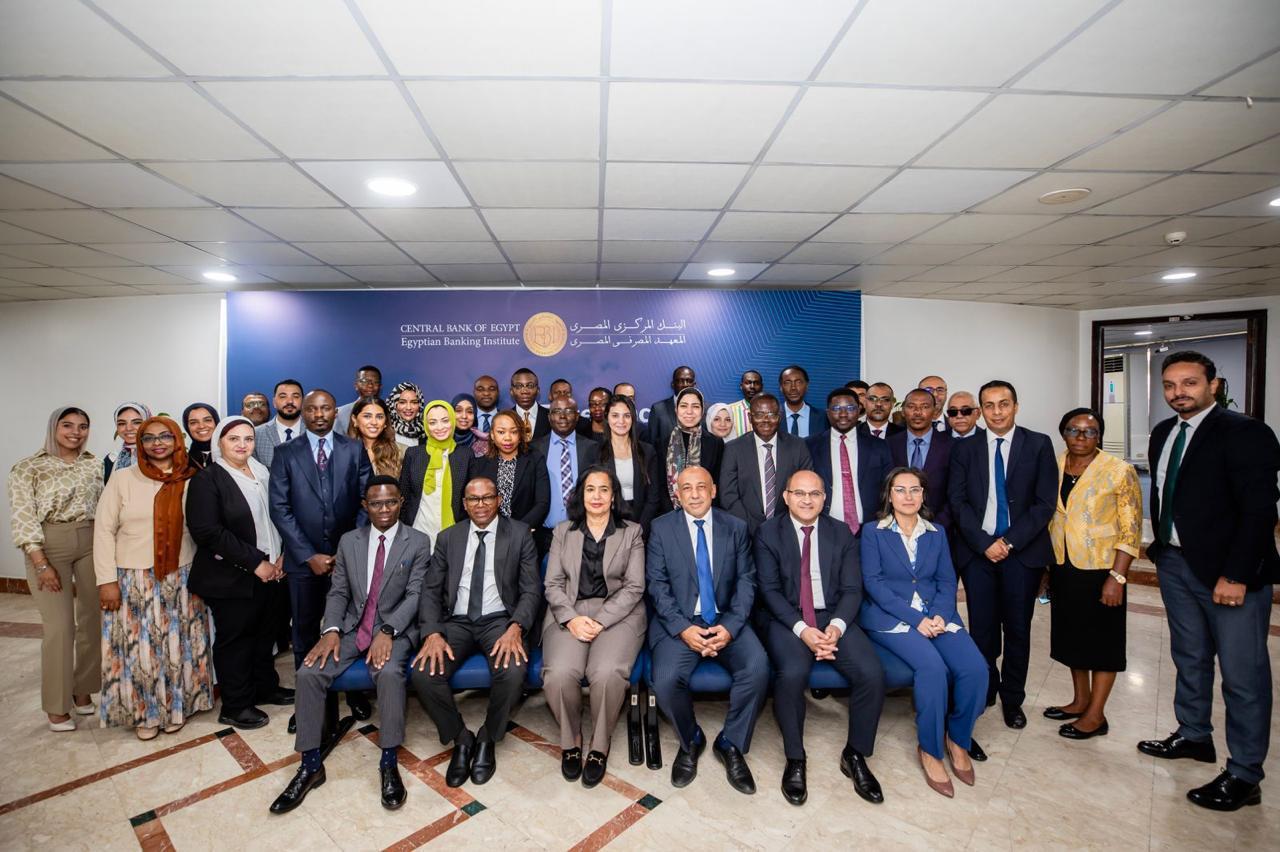
In line with the presidential directives to promote Egyptian-African integration, and within the framework of ongoing cooperation between the Central Bank of Egypt (CBE) and the COMESA Monetary Institute (CMI), the CBE hosted a five-day training program on “Micro and Macro Stress Testing for Central Banks” at the Egyptian Banking Institute (EBI) in Cairo.

28 Experts from 11 COMESA Central Banks Join Program

This program reflected the CBE’s leading role in achieving integration among African central banks. The training program included 28 participants representing 11 Central Banks from COMESA Member States, along with a delegation from the CMI. The sessions featured discussions, practical examples, and the sharing of expertise on micro and macro stress testing using standard models. Moreover, the training covered applications of stress testing tools in credit risk, liquidity, climate change, and interbank contagion risks.

Hands-On Sessions on Micro & Macro Stress Testing

On this occasion, Dr. Naglaa Nozahie, the Governor’s Advisor for African Affairs, emphasized the importance of such training programs in enhancing the capacity of Central Banks to address crises and assess systemic risks. She also underscored the CBE’s commitment to building the capacity of Central Banks’ staff across Africa and strengthening joint cooperation with countries across the continent, particularly within the COMESA region. This marked the 12th consecutive year of training programs provided by the CBE for COMESA Central Banks’ staff.

Focus on Credit Risk, Liquidity & Climate Change

Furthermore, Dr. Ahmed Sahloul, the Assistant Sub-Governor for the Macroprudential Sector at the CBE, highlighted the significance of conducting micro and macro stress tests to assess the effects of various macro-financial and geopolitical shocks on the banking sector’s performance and resilience. Moreover, stress tests can be employed to assess the impact of emerging risks, such as climate change and cybersecurity risks. Ultimately, the stress tests results can be used to guide policymakers to implement appropriate measures that strengthen the role of the banking sector in financial intermediation, and thereby safeguarding financial stability.

12th Year of Capacity Building for COMESA Banks

From his side, Dr. Lucas Njoroge, Director of COMESA Monetary Institute, expressed his gratitude to the CBE for its continuous contribution to building the capacities of COMESA Central Banks, highlighting the Institute’s aspiration for further collaborations with the CBE in the coming years.

Addressing Emerging Risks: Cybersecurity & Climate

The training program, which encompassed lecturers from the Offsite Supervision and Macroprudential sectors, featured interactive sessions for the exchange of expertise among representatives of COMESA Central Banks. These sessions aimed to address current challenges and potential solutions, as a practical exercise in applying stress tests and their regulatory frameworks within central banks.

COMESA Monetary Institute Praises CBE’s Efforts

At the end of the program, a set of proposals and recommendations were formulated to deepen the understanding of how stress tests can enhance the operations of COMESA Central Banks. These recommendations will be discussed at the level of central bank governors during their upcoming annual meeting in “Uganda” in November 2025.